About this medicine
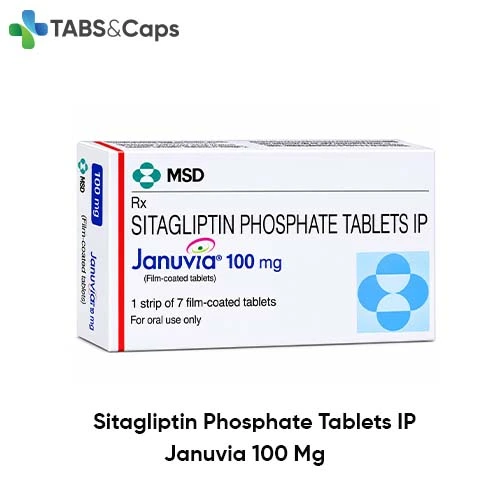
Sitagliptin Phosphate Tablets IP: Uses for Type 2 Diabetes, How It Works, Side Effects and Safety
Many people with type 2 diabetes want a medicine that controls blood sugar without causing weight gain, frequent lows or complicated routines. Sitagliptin Phosphate Tablets IP fit that description. They're taken once a day, are gentle on most people and work smoothly with other diabetes medicines. That's why sitagliptin has become one of the most prescribed diabetes tablets worldwide.
What Is Sitagliptin?
Sitagliptin is a prescription diabetes medicine from a group called DPP-4 inhibitors, also known as "gliptins". Its original brand name is Januvia, and since generic versions became available, sitagliptin is now much more affordable. It usually comes as 25 mg, 50 mg and 100 mg tablets. It's also widely combined with metformin in a single tablet. "IP" means the tablets meet Indian Pharmacopoeia standards.
What Is Sitagliptin Used For?
Sitagliptin is used along with diet and exercise to improve blood sugar control in adults with type 2 diabetes. It can be taken:
On its own: when metformin isn't suitable
With metformin: one of the most common combinations
With other medicines: such as sulfonylureas, pioglitazone or insulin
It isn't used for type 1 diabetes or diabetic ketoacidosis.
How Does Sitagliptin Work?
When you eat, your gut releases natural hormones called incretins, such as GLP-1. They tell the pancreas to release insulin and reduce sugar output from the liver. An enzyme called DPP-4 breaks these hormones down within minutes. Sitagliptin blocks DPP-4, so your own incretins stay active for longer. The result is:
More insulin released when blood sugar is high
Less glucagon, so the liver releases less sugar
Better control of both fasting and after-meal sugar levels
Because it works mainly when sugar is raised, sitagliptin rarely causes low blood sugar on its own and is generally weight-neutral.
How to Take Sitagliptin
Take it once a day, with or without food, at about the same time each day.
Kidney function matters: your doctor will check your kidneys before starting and may prescribe a lower strength if they're not working fully.
Missed a dose? Take it when you remember, but never take two doses on the same day.
Keep up with diet, exercise and regular sugar checks.
Common Side Effects
Sitagliptin is generally very well tolerated. The most common side effects are:
Cold-like symptoms, such as a stuffy or runny nose and sore throat
Headache
Upper respiratory infections
Important Safety Information
Pancreatitis: stop taking it and get medical help for severe, ongoing stomach pain, with or without vomiting.
Low blood sugar: this is more likely when combined with insulin or sulfonylureas. Your doctor may lower those doses.
Allergic reactions: get help right away for swelling of the face, lips or throat, difficulty breathing or a severe rash.
Joint pain: report any severe or unusual joint pain.
Skin blisters: report blisters or skin erosions, as a rare skin condition called bullous pemphigoid has been linked to gliptins.
Kidneys: kidney function should be checked from time to time.
Heart: tell your doctor if you have heart failure or are at risk of it.
Pregnancy and breastfeeding: speak to your doctor first.
Storage
Store sitagliptin tablets at room temperature in a dry place, away from moisture and out of reach of children.
Final Word
Sitagliptin Phosphate Tablets IP offer simple, once-daily blood sugar control with a low risk of lows or weight gain. That makes them a reliable everyday choice for many people with type 2 diabetes. Take them as prescribed, keep your kidney checks up to date, and buy only from a licensed pharmacy.
This information is for general reference only. Please use this medicine only under the guidance of your doctor, and share your prescription with us when you order.
 Injection.webp)