About this medicine
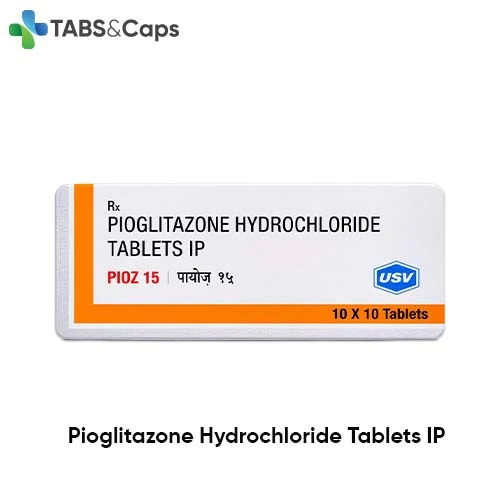
Pioglitazone Hydrochloride Tablets IP: Uses for Type 2 Diabetes, How It Works, Side Effects and Safety
In type 2 diabetes, the body often still makes insulin, but the muscles, fat and liver don't respond to it properly. This is called insulin resistance, and it's one of the root causes of high blood sugar. Pioglitazone Hydrochloride Tablets IP target this problem directly by helping your body become more sensitive to its own insulin.
What Is Pioglitazone?
Pioglitazone is a prescription diabetes medicine from a group called thiazolidinediones (TZDs), sometimes known as "glitazones". Its original brand name is Actos, and generic pioglitazone tablets offer an affordable alternative. It's usually available as 15 mg, 30 mg and 45 mg tablets. "IP" means the tablets meet Indian Pharmacopoeia standards.
What Is Pioglitazone Used For?
Pioglitazone is used along with diet and exercise to improve blood sugar control in adults with type 2 diabetes. Doctors may prescribe it:
On its own: when diet and exercise aren't enough
With metformin: a very common combination
With sulfonylureas (like glimepiride) or insulin: for extra control
For people with marked insulin resistance: often linked to belly fat or fatty liver
It is not used for type 1 diabetes or diabetic ketoacidosis.
How Does Pioglitazone Work?
Pioglitazone activates a receptor inside cells called PPAR-gamma. This switches on genes that help muscle and fat tissue take up and use glucose more efficiently, and it reduces the amount of sugar the liver releases. Put simply, your own insulin starts working better. Pioglitazone doesn't force the pancreas to make more insulin, so on its own it rarely causes low blood sugar. It works gradually, and the full effect can take several weeks to a few months to show.
How to Take Pioglitazone
Take it once a day, at about the same time each day, with or without food.
Your doctor will start with a low dose and may increase it slowly based on your HbA1c results.
Keep taking it even if you feel well. Don't stop without speaking to your doctor.
Continue your diet, exercise and regular sugar checks.
Common Side Effects
Weight gain
Swelling of the ankles, feet or legs (fluid retention)
Cold-like symptoms and sinus infections
Headache
Muscle aches
Important Safety Warnings
Heart failure: pioglitazone can cause fluid retention, which may cause or worsen heart failure. Tell your doctor if you have any heart problems, and report sudden weight gain, swelling or breathlessness straight away. It shouldn't be started in people with moderate to severe heart failure.
Bladder health: long-term use may slightly increase the risk of bladder cancer. Don't use pioglitazone if you have bladder cancer, and report blood in the urine or pain when urinating.
Bone fractures: women taking pioglitazone have a higher risk of fractures, especially in the hands, arms and feet.
Liver: liver tests are usually done before starting and during treatment.
Eyes: report any blurred or changed vision, as rare swelling at the back of the eye (macular oedema) has been reported.
Low sugar: this can happen when it's combined with insulin or sulfonylureas, so your doctor may lower those doses.
Pregnancy: pioglitazone isn't recommended during pregnancy or breastfeeding.
Storage
Store pioglitazone tablets at room temperature in a dry place, away from moisture and out of reach of children.
Final Word
Pioglitazone Hydrochloride Tablets IP tackle one of the core problems in type 2 diabetes, insulin resistance, with a simple once-daily dose. Your doctor needs to weigh the benefits against the heart and bladder risks for you. Take it exactly as prescribed, keep up with regular check-ups, and buy only from a licensed pharmacy.
This information is for general reference only. Please use this medicine only under the guidance of your doctor, and share your prescription with us when you order.
 Injection.webp)