About this medicine
Acarbose Tablets IP: Uses for Type 2 Diabetes, How It Works, Side Effects and Safety Tips
For many people with type 2 diabetes, the biggest challenge isn't fasting sugar but the sharp rise that comes after eating rice, roti, bread or sweets. Acarbose Tablets IP tackle this problem in a very different way from most diabetes medicines. Instead of changing insulin levels, they slow down how quickly your body absorbs carbohydrates from food.
What Is Acarbose?
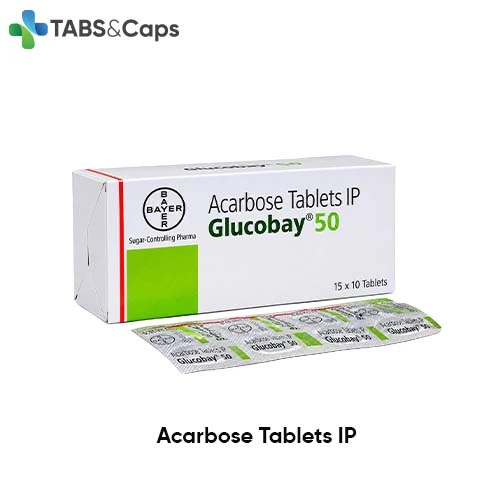
Acarbose is a prescription diabetes medicine from a group called alpha-glucosidase inhibitors. Its best-known brand name is Glucobay, and generic acarbose tablets offer an affordable option with the same active ingredient. It's commonly available as 25 mg, 50 mg and 100 mg tablets. "IP" means the tablets meet Indian Pharmacopoeia standards.
What Is Acarbose Used For?
Acarbose is prescribed for adults with type 2 diabetes, together with diet and exercise. It can be used:
On its own: when diet and exercise alone aren't controlling blood sugar
With other diabetes medicines: such as metformin, sulfonylureas or insulin, for extra control
For high-carb diets: it's especially useful for people whose meals are rich in carbohydrates, which is common in South Asian diets
How Does Acarbose Work?
When you eat starchy or sugary food, enzymes in your small intestine called alpha-glucosidases break the carbohydrates down into simple sugars, which then pass into the blood. Acarbose temporarily blocks these enzymes. Carbohydrates are digested more slowly, so sugar enters the bloodstream gradually instead of all at once. The result is a smaller spike in blood sugar after meals and smoother sugar levels through the day.
Because acarbose works in the gut and doesn't push the pancreas to release extra insulin, it rarely causes low blood sugar when used on its own.
How to Take Acarbose
Take it with the first bite of each main meal, usually three times a day. Chew the tablet with the first mouthful or swallow it whole with a little water just before eating.
If you skip a meal, skip that dose.
Your doctor will usually start with a low dose and increase it gradually, which helps your stomach adjust.
Common Side Effects
Because undigested carbohydrates travel further down the gut, the most common side effects are digestive:
Gas and bloating
Abdominal discomfort
Loose stools or diarrhoea
These usually ease after a few weeks. Cutting down on sugar and sweets helps a lot.
Important: Treating Low Blood Sugar
On its own, acarbose rarely causes low sugar. But if you take it with insulin or sulfonylureas, lows can happen. If they do, use glucose (dextrose) tablets or glucose gel, not ordinary sugar or sweets. Acarbose slows the breakdown of table sugar (sucrose), so it won't raise your blood sugar fast enough. Keep glucose tablets handy.
Who Should Avoid Acarbose?
People with inflammatory bowel disease (such as ulcerative colitis or Crohn's disease), colon ulcers or intestinal blockage
People with severe liver disease, such as cirrhosis, or severe kidney problems
Anyone with diabetic ketoacidosis
Pregnant or breastfeeding women, unless a doctor advises otherwise
Your doctor may check your liver function from time to time during treatment.
Storage
Store acarbose tablets at room temperature in a dry place, away from moisture and out of reach of children.
Final Word
Acarbose Tablets IP offer a gentle, gut-based way to control after-meal sugar spikes, especially for people who eat carbohydrate-rich meals. Take each dose with the first bite of food, be patient while your stomach adjusts, and buy only from a licensed pharmacy.
This information is for general reference only. Please use this medicine only under the guidance of your doctor, and share your prescription with us when you order.
 Injection.webp)