About this medicine
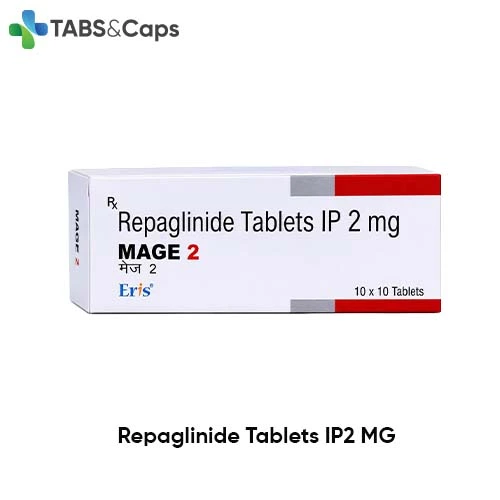
Repaglinide Tablets IP 2mg: Uses for Type 2 Diabetes, How It Works, Side Effects and Safety
Many people with type 2 diabetes find that their blood sugar jumps sharply after meals, even when their fasting levels look fine. Repaglinide Tablets IP 2mg are designed for exactly this problem. They work quickly, they're taken with meals, and they help the body handle the sugar that comes from food.
What Is Repaglinide 2mg?
Repaglinide is a prescription diabetes medicine from a group called meglitinides, sometimes known as "glinides". Its original brand name is Prandin (NovoNorm in some countries), and generic repaglinide tablets offer an affordable alternative. Each tablet contains 2 mg of repaglinide. "IP" means the tablets meet Indian Pharmacopoeia standards.
What Is Repaglinide Used For?
Repaglinide is used alongside diet and exercise to control blood sugar in adults with type 2 diabetes. Doctors may prescribe it:
On its own: when diet, exercise and weight loss alone aren't enough
With metformin: when metformin alone isn't keeping sugar levels in range
For people with irregular eating patterns: because the dose follows meals rather than a fixed clock
Repaglinide is not used for type 1 diabetes or diabetic ketoacidosis.
How Does Repaglinide Work?
After you eat, your blood sugar rises, and the pancreas should release insulin to bring it back down. In type 2 diabetes, this insulin response is often too slow or too weak. Repaglinide works on the insulin-producing beta cells in the pancreas and prompts them to release insulin quickly. Its effect starts fast and wears off within a few hours. This makes it ideal for controlling post-meal (postprandial) sugar spikes, with a lower risk of low sugar between meals than some longer-acting tablets.
How to Take Repaglinide
Take it before each main meal, anywhere from about 15–30 minutes before eating up to just before the meal.
No meal, no dose: if you skip a meal, skip that dose. If you add an extra meal, your doctor may advise an extra dose.
Your doctor will start with a low dose and adjust it based on your blood sugar readings.
Keep following your diet and exercise plan, and check your sugar levels as advised.
Common Side Effects
Low blood sugar (hypoglycaemia): shakiness, sweating, hunger, dizziness, fast heartbeat or confusion
Upper respiratory infections
Headache
Back or joint pain
Mild stomach upset or diarrhoea
Always carry a quick source of sugar, such as glucose tablets, juice or sweets, in case of a low.
Important Precautions
Gemfibrozil: never take repaglinide with gemfibrozil, a cholesterol medicine. Together they can cause severe, prolonged low blood sugar.
Other medicines: some antibiotics, antifungals and other drugs can increase repaglinide's effect. Tell your doctor about everything you take.
Alcohol: it can trigger serious low blood sugar.
Liver and kidney problems: let your doctor know, as your dose may need adjusting.
Pregnancy and breastfeeding: repaglinide is generally not recommended. Speak to your doctor.
Storage
Store repaglinide tablets at room temperature in a closed container, away from heat, moisture and direct light, and out of reach of children.
This information is for general reference only. Please use this medicine only under the guidance of your doctor, and share your prescription with us when you order.

 Injection.webp)