About this medicine
Venetoclax 100mg Tablet: Uses in CLL & AML, How It Works, Side Effects and Safety
Some blood cancers survive because their cells have learned to switch off the body’s natural “self-destruct” system. Venetoclax 100mg Tablet was developed to switch that system back on. It’s become an important oral treatment for chronic lymphocytic leukaemia (CLL) and acute myeloid leukaemia (AML), especially for older patients who can’t have intensive chemotherapy.
What Is Venetoclax 100mg?
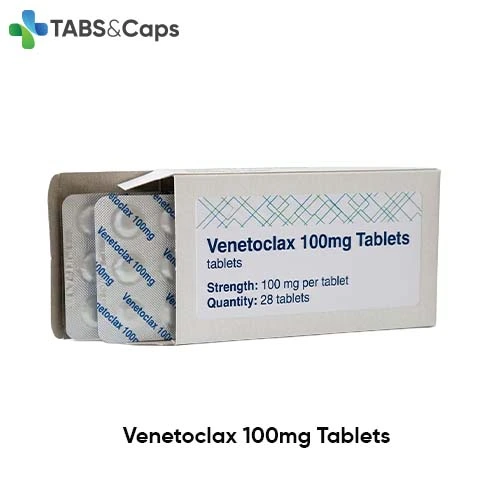
Venetoclax is a prescription cancer medicine known as a BCL-2 inhibitor. Its original brand names are Venclexta (US) and Venclyxto (Europe). Generic venetoclax tablets offer a more affordable option with the same active ingredient. Each film-coated tablet contains 100 mg of venetoclax.
What Is Venetoclax Used For?
Haematologists prescribe venetoclax for:
Chronic lymphocytic leukaemia (CLL) and small lymphocytic lymphoma (SLL): on its own or with obinutuzumab, rituximab or acalabrutinib. This includes high-risk CLL with a 17p deletion.
Newly diagnosed acute myeloid leukaemia (AML): combined with azacitidine, decitabine or low-dose cytarabine. This is for adults aged 75 or older, or those whose other health conditions rule out intensive chemotherapy.
How Does Venetoclax Work?
Healthy cells have a built-in way to die when they become damaged or old. This process is called apoptosis. Many leukaemia cells make too much of a protein called BCL-2, which blocks apoptosis and keeps them alive when they should die. Venetoclax attaches to BCL-2 and switches off its protective effect. This lets the cancer cells go back to dying naturally. Because it works so quickly, it’s very effective, but it needs careful handling at the start of treatment.
How Is It Taken?
Venetoclax is taken once a day with a meal and a glass of water, at about the same time each day. Swallow the tablets whole without crushing or chewing.
Treatment starts with a ramp-up period. The dose begins low and is increased step by step over the first few weeks (for CLL) or the first few days (for AML). This lets the body safely clear the cancer cells as they break down. Your doctor will give you an exact schedule, and following it closely is very important.
Avoid grapefruit, Seville oranges and starfruit, including their juices and marmalades.
Tumour Lysis Syndrome: The Key Risk
When large numbers of cancer cells die quickly, they release their contents into the blood. This can overload the kidneys and upset blood chemistry. It’s called tumour lysis syndrome (TLS). To prevent it:
Drink plenty of water each day, especially in the days around each dose increase.
Take any uric-acid-lowering medicine your doctor prescribes, such as allopurinol.
Go to all your blood tests during the ramp-up period.
Report fever, chills, nausea, vomiting, confusion, muscle cramps or dark urine straight away.
Common Side Effects
Low white blood cell counts (neutropenia)
Diarrhoea and nausea
Tiredness
Upper respiratory infections
Anaemia and low platelets
Other Precautions
Medicines: tell your doctor about every medicine and supplement you take. Some antifungals, antibiotics and heart medicines interact strongly with venetoclax.
Vaccines: avoid live vaccines during treatment.
Pregnancy and breastfeeding: use effective contraception and don’t breastfeed.
Storage
Store venetoclax tablets at room temperature in the original pack, away from moisture and out of reach of children.
Final Word
Venetoclax 100mg has transformed treatment for CLL and for older adults with AML, offering deep responses with an oral medicine. Follow the ramp-up schedule carefully, keep well hydrated, buy only from a licensed pharmacy, and stay under your haematologist’s close care.
This information is for general reference only. Please use this medicine only under the guidance of your doctor, and share your prescription with us when you order.

.webp)