About this medicine
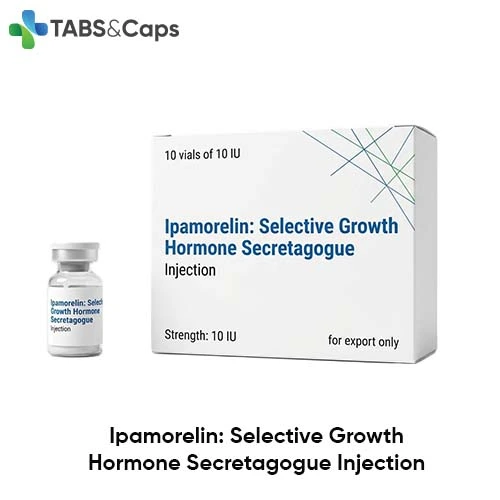
Ipamorelin: Selective Growth Hormone Secretagogue Injection
Ipamorelin is a small synthetic peptide studied for its ability to prompt the body’s own release of growth hormone (GH). It belongs to a group called growth hormone secretagogues, compounds that signal the pituitary gland to release GH rather than supplying the hormone directly. Its main point of interest for researchers is how selectively it acts.
What Is Ipamorelin?
Ipamorelin is a pentapeptide, a chain of five amino acids. Scientists at Novo Nordisk developed it in the late 1990s while searching for growth hormone releasing peptides with fewer unwanted effects. It’s usually supplied as ipamorelin acetate, a white powder that is mixed with sterile water before injection.
How Does It Work?
Ipamorelin copies the action of ghrelin, a natural hormone often called the “hunger hormone.” Ghrelin binds to the growth hormone secretagogue receptor (GHS-R1a) in the brain and pituitary gland. When Ipamorelin binds to the same receptor, the pituitary releases a pulse of growth hormone.
What makes Ipamorelin “selective” is what it doesn’t do. Older peptides in this class, such as GHRP-6 and GHRP-2, can also raise cortisol, prolactin and appetite. In early laboratory studies, Ipamorelin raised GH with little measurable effect on cortisol or ACTH, even at higher doses. That clean profile is why researchers call it the first truly selective GH secretagogue.
What Does the Research Show?
Most of the evidence on Ipamorelin comes from animal and laboratory work. Key areas of study include:
- Growth hormone release: early studies confirmed a dose-dependent rise in GH in animals.
- Gut motility: because ghrelin speeds up digestion, researchers tested Ipamorelin in rats after abdominal surgery and saw faster bowel recovery.
- Postoperative ileus in humans: a Phase 2 clinical trial tested intravenous Ipamorelin in patients recovering from bowel surgery. It was generally well tolerated but did not show a clear benefit over placebo, and it was not developed further.
Popular claims about fat loss, muscle gain, better sleep or anti-ageing effects aren’t backed by solid human clinical trials.
Regulatory Status
Ipamorelin is not approved as a medicine by the US FDA or by major drug regulators for any condition. The FDA has flagged ipamorelin acetate as a substance that may pose significant safety risks in compounded medicines. The World Anti-Doping Agency (WADA) also bans growth hormone secretagogues in sport, so competitive athletes should avoid it completely.
Possible Side Effects
Reported effects from research use include:
- Redness, itching or pain at the injection site
- Headache or light-headedness
- Flushing
- Water retention
- Changes in blood sugar control
Long-term safety in humans hasn’t been established. Products sold online as “research peptides” may also vary in purity, strength and sterility.
Who Should Avoid It?
People with cancer or a history of it, diabetes, pituitary disorders, and pregnant or breastfeeding women should not use growth hormone secretagogues. Anyone thinking about Ipamorelin should talk to a qualified doctor first.
Storage
Keep the unmixed powder in a refrigerator, away from light. Once mixed, keep it refrigerated and use it within the time the supplier specifies.
Final Word
Ipamorelin is a useful tool for studying how the body controls growth hormone. However, it is not an approved treatment, and you shouldn’t use it to self-treat.