
About this medicine
Sotorasib 120 mg: a targeted pill for one specific cancer mutation
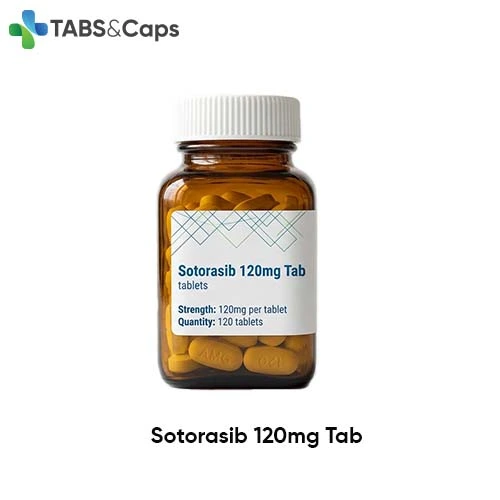
Sotorasib 120 mg is an oral cancer medicine made for a narrow group of patients: people whose tumour carries a change called KRAS G12C. It is sold by Amgen under the brand name Lumakras (Lumykras in Europe). It was the first drug of its kind to reach patients, with US approval in May 2021.
This is not a general chemotherapy tablet. It only makes sense when a lab test has confirmed the KRAS G12C mutation, so the first step is always a biomarker test ordered by the oncologist.
How sotorasib works and what it treats
KRAS is a protein that acts like an on/off switch for cell growth. The G12C mutation jams that switch in the "on" position, so cancer cells keep dividing. Sotorasib binds to the faulty KRAS G12C protein and locks it in its inactive state, which cuts off the growth signal.
In the US, sotorasib is approved for two uses:
- Non-small cell lung cancer (NSCLC): adults with locally advanced or metastatic KRAS G12C-mutated NSCLC who have already had at least one systemic treatment. This approval is still "accelerated", and the FDA has asked for another confirmatory study, due by February 2028.
- Metastatic colorectal cancer: since January 2025, together with the antibody panitumumab, for patients already treated with fluoropyrimidine, oxaliplatin and irinotecan chemotherapy. In the CodeBreaK 300 trial, the combination kept the disease from progressing for a median of 5.6 months, against 2 months with standard care.
About 13% of non-squamous lung cancers carry KRAS G12C, but only around 3–4% of colorectal cancers do.
Sotorasib dosage: how the 120 mg tablet is taken
The usual dose is 960 mg once a day. With the 120 mg strength, that means eight tablets taken together. The same 960 mg dose is used for both lung and colorectal cancer. Treatment continues until the cancer progresses or side effects become too hard to manage.
A few practical points from the official label:
- Take the dose at the same time every day, with or without food.
- Swallow the tablets whole. Don't chew, crush or split them.
- Missed a dose by more than 6 hours? Skip it and take the next one on schedule. Never double up.
- If you vomit after a dose, don't take an extra one.
Your oncologist may lower the dose if side effects appear. Only change the dose on their advice.
Side effects, interactions and precautions
The most common side effects of sotorasib on its own are diarrhoea, muscle and bone pain, nausea, tiredness, cough and raised liver enzymes. When it is combined with panitumumab, skin rash, dry skin and mouth sores are also common.
Two risks need close watching:
- Liver damage: doctors check liver blood tests every 3 weeks for the first 3 months, then about monthly.
- Lung inflammation (pneumonitis): report any new or worsening breathlessness or cough straight away.
Watch out for these interactions:
- Acid reducers: avoid acid-lowering tablets such as omeprazole, pantoprazole or famotidine, because they reduce how much sotorasib the body absorbs. If an antacid is truly needed, take sotorasib 4 hours before it or 10 hours after it.
- Strong CYP3A4 inducers: some medicines, such as rifampicin, lower sotorasib levels and should be avoided.
Breastfeeding is not advised during treatment. Always share your full medicine list with your doctor.
Buying sotorasib 120 mg from India
Sotorasib is a prescription-only cancer medicine. We supply it only against a valid prescription from a treating oncologist, together with a KRAS G12C test report. Prices change with the brand, pack size and destination country, so send us your prescription on WhatsApp for a written quote with the delivery time to your city.
Before ordering, check your own country's rules on importing medicines for personal use. Some countries require a permit or a doctor's letter.
Medical disclaimer: This article is for general information only. It does not replace advice from your doctor. Don't start, stop or change any cancer treatment without your oncologist.


