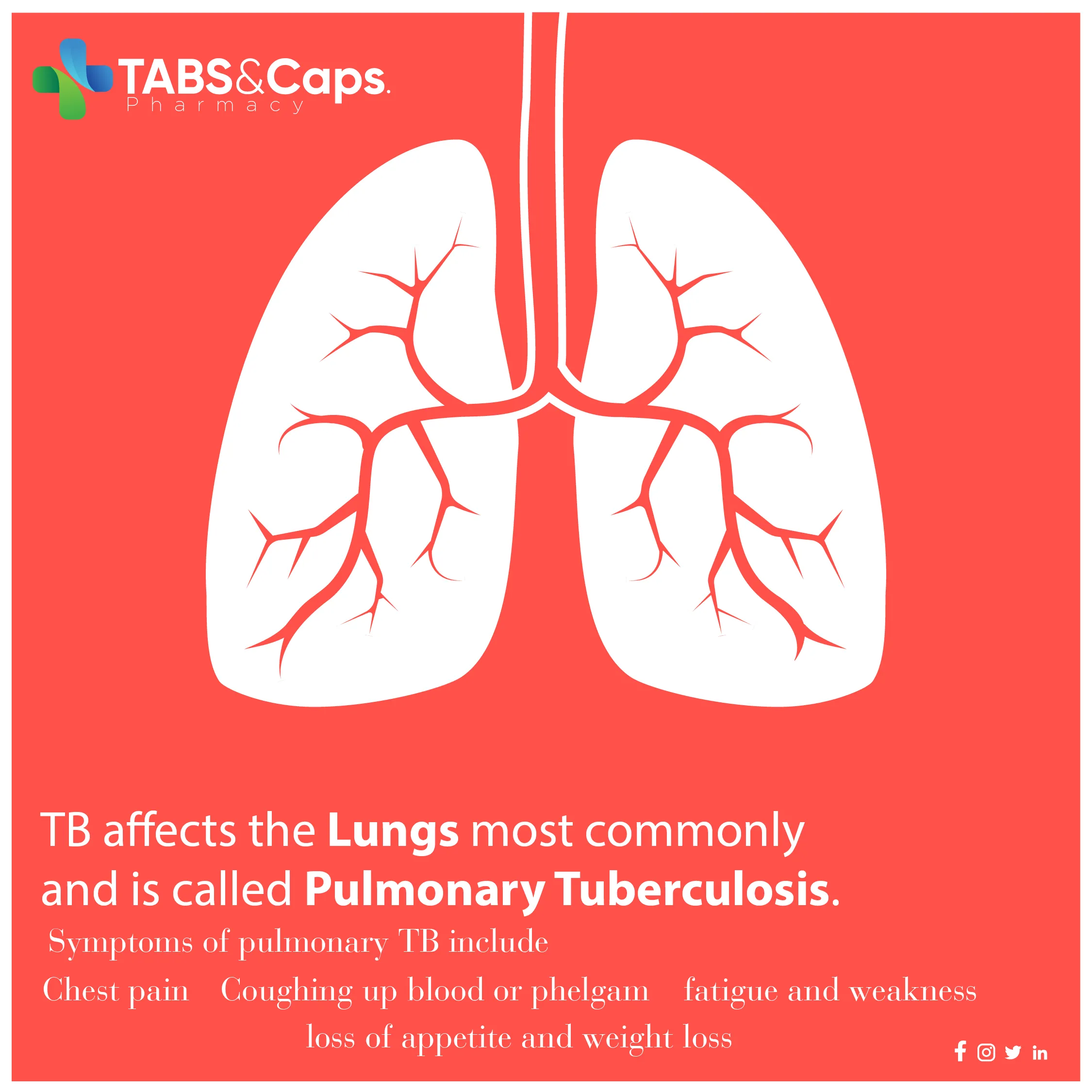
Pulmonary tuberculosis is a disease that affects the lungs and can be very dangerous if not diagnosed early. This mysterious disease can cause a wide range of symptoms, including fatigue, coughing up blood, difficulty breathing, chest pain, fever, and weight loss. It's important to take precautions to prevent the spread of this highly contagious illness.
If you are experiencing any of these symptoms or have been exposed to someone with TB, it's important to seek medical attention right away. Your doctor may recommend testing for tuberculosis and provide treatment options if necessary. Remember to always cover your mouth when coughing or sneezing and wash your hands regularly to prevent the spread of germs.
In addition to seeking medical care and taking precautions against spreading TB, there are other magical ways you can support your body's natural healing abilities.
Precautions to prevent the spread of pulmonary tuberculosis (TB) include:
1. Get vaccinated: If you live in an area where TB is prevalent or if you work in a high-risk environment such as a healthcare facility or laboratory, you may be eligible for a vaccine called Bacillus Calmette-Guérin (BCG).
2. Avoid close contact with people who have TB: TB spreads through the air when an infected person coughs, sneezes, speaks, or sings. Try to avoid close contact with people who have active TB disease.
3. Use protective gear: If you work in a healthcare facility or laboratory where you may come into contact with TB, use protective gear such as masks, gloves, and gowns.
4. Cover your mouth when coughing or sneezing: If you have TB or suspect that you do, cover your mouth when coughing or sneezing to prevent the spread of the bacteria.
5. Follow treatment as prescribed: If you have been diagnosed with TB, it is important to follow the prescribed treatment regimen to completion, even if you start feeling better before finishing the medication. This will ensure that all of the bacteria are eliminated and help prevent the development of drug-resistant TB.
6. Maintain good hygiene: Practicing good hygiene such as washing your hands regularly can help prevent the spread of TB.
It is important to note that if you suspect you have TB or have been exposed to someone with TB, you should seek medical attention promptly. TB is a treatable and curable disease, but early detection and treatment are critical to preventing the spread of the bacteria and avoiding more serious complications.
Medicines related to this article
Cancer & oncology medicinesTargeted therapies and chemotherapy such as osimertinib, palbociclib and abiraterone.
Diabetes medicinesMetformin, gliptins, SGLT2 inhibitors and insulin with cold chain shipping.
Cardiovascular & heart medicinesStatins, blood thinners, heart failure and blood pressure medicines.
This article is for general information only and is not a substitute for medical advice. Please speak to your doctor before starting, stopping or changing any medicine.