Stress and its prevention
Knowing the origin of stress that occurs daily.
Various streams creep into our lives as a result of different sources, most of which we may not notice. A substantial trigger can be daily commutes. Anxiety and frustration come up due to traffic jams and crowded public transport.
Another common source is work-related pressures. Even the simplest tasks can feel daunting with tight deadlines, heavy workload or challenging colleagues.
Stressors may also arise from home life. Balancing between family responsibilities, household chores, and personal time is difficult.
Finally, there are social obligations. Mixing relationships with one’s own needs creates overwhelm.
Moreover, technology—constant notifications through emails or social media that demand attention pulling in the opposite direction,/ you recognize these everyday stressors which are necessary for managing them effectively at once
Physical and Mental Effects of Stress
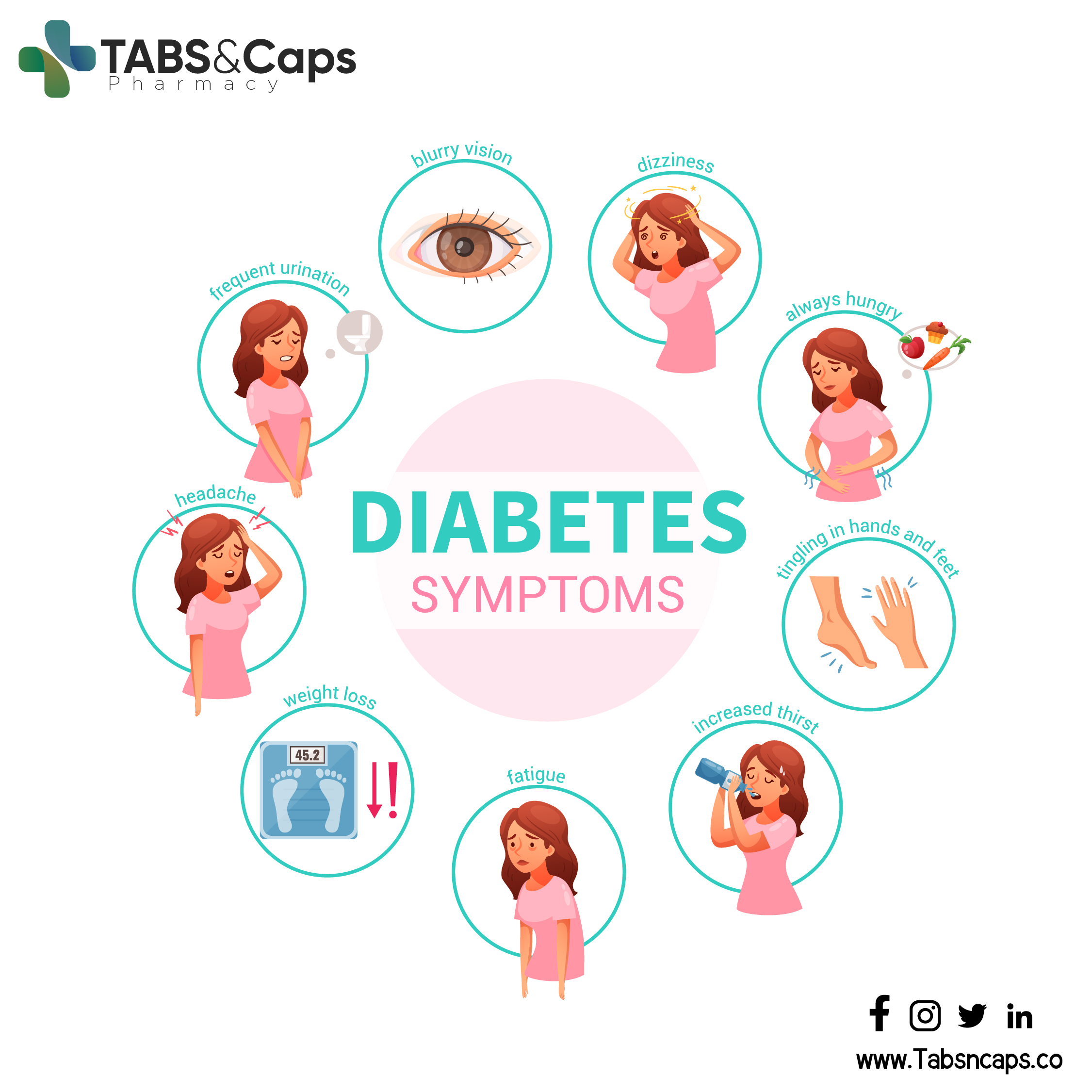
The overall condition of our body is influenced both mentally and physically by stress. In the physical context it can make people to suffer from headache, muscle tension and fatigue. This weakens your immune system making you vulnerable to infections.
On the other hand, stress has a mental effect which leads to anxiety or irritability in many cases. It may be hard for you to think clearly or make up your mind. Such foggy thinking can interfere with daily duties and obligations.
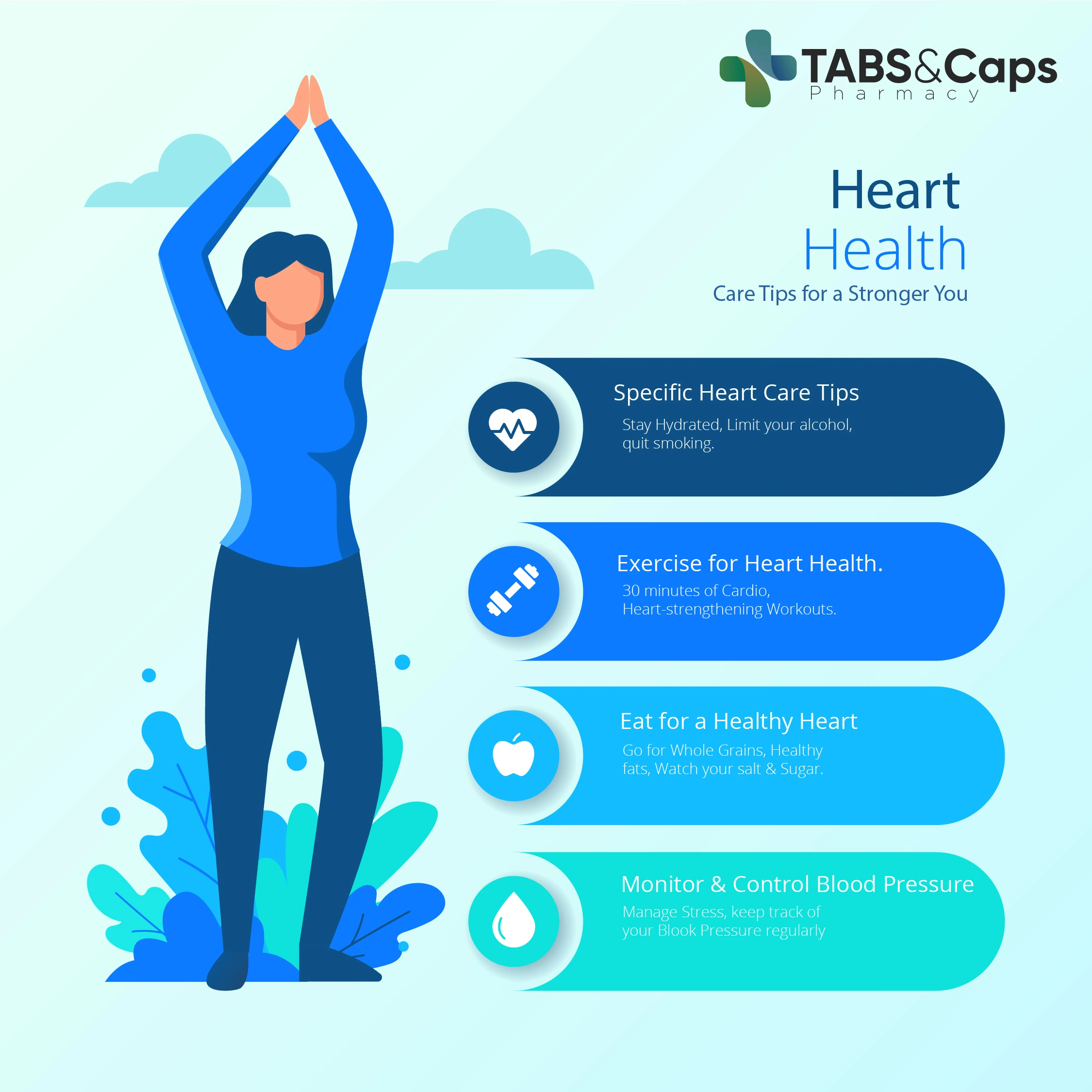
Furthermore, chronic stress increases chances of getting major diseases such as heart disease and depression. Over time this takes a toll on one’s body through constant fight-or-flight response.
Understanding these effects is key in managing stress effectively. Understanding that first step towards addressing difficult challenges posed by stress starts with understanding how your body and mind are affected by it.