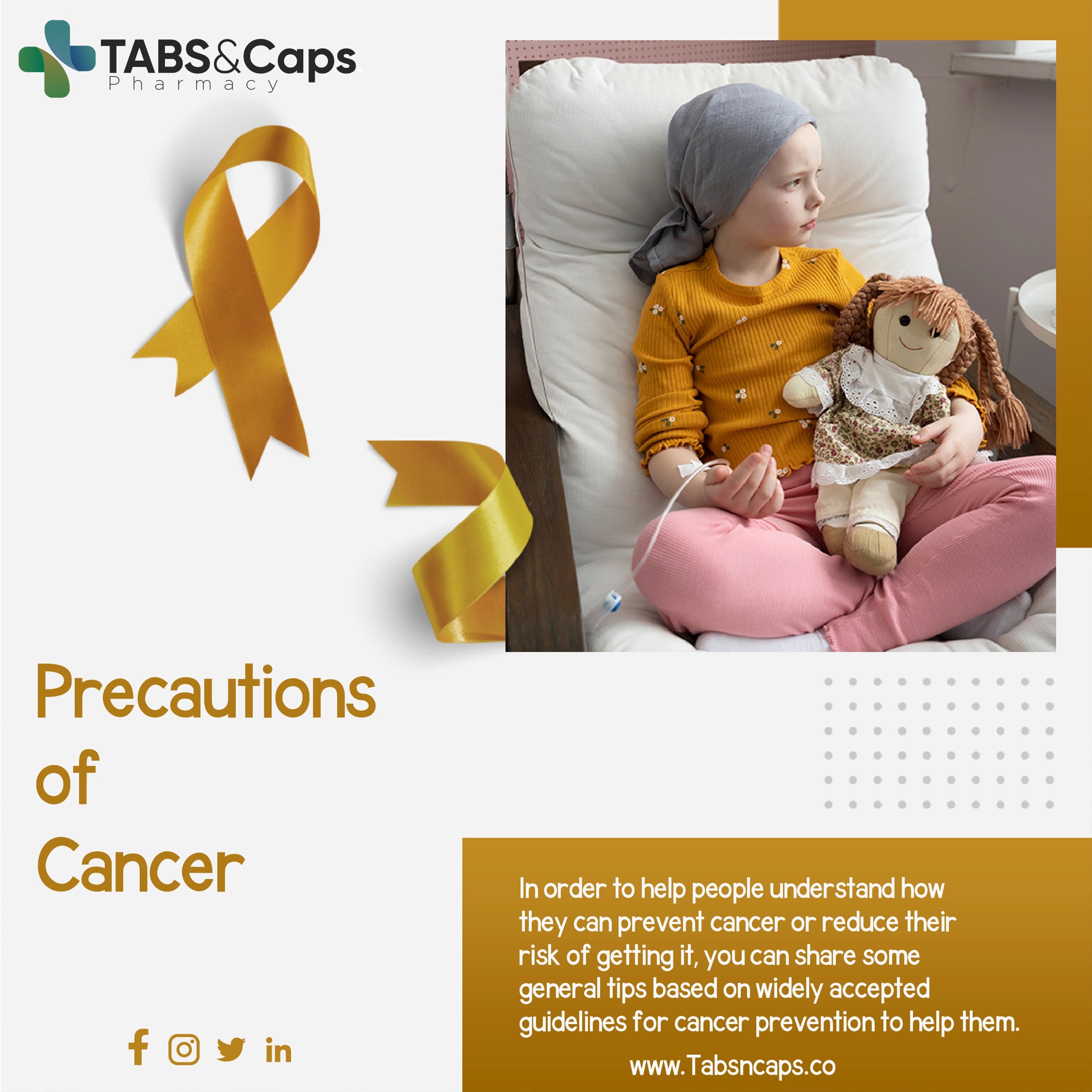
In order to help people understand how they can prevent cancer or reduce their risk of getting it, you can share some general tips based on widely accepted guidelines for cancer prevention to help them. In spite of the fact that this information can be useful for the general public, it is important to encourage them to consult with a healthcare professional for personalized advice.
Tips for preventing cancer
Be sure to maintain a healthy diet
A diet rich in fruits and vegetables provides important nutrients and antioxidants that can protect against cancer.
The consumption of processed meats (like bacon or sausage) has been linked to an increased risk of colorectal cancer in studies.
Whole grains, such as brown rice, oats, and whole-wheat bread, are healthier than refined grains.
Keep your body in shape
Maintain an active lifestyle by exercising at least 150 minutes per week. The benefits of physical activity include maintaining a healthy weight and reducing the risk of several cancers, including breast, colon, and lung cancers.
Don't sit for long : Avoid prolonged periods of sitting as sedentary behavior raises cancer risk.
Say No to Tobacco
It is highly recommended that you stop smoking. Smoking causes many types of cancer, such as lung cancer, throat cancer, mouth cancer, and bladder cancer. A significant reduction in cancer risk can be achieved by quitting smoking.
Avoid Secondhand Smoke: If you don't smoke, being exposed to secondhand smoke can increase your cancer risk.
Don't drink too much alcohol
Moderate consumption of alcohol is linked to cancers of the mouth, throat, liver, colon, and breast. Women should limit their intake to one drink a day and men to two drinks a day.
Make sure you protect yourself from the sun
In order to protect against UV radiation, use broad-spectrum sunscreen that has at least a 30 SPF.
Outdoors, wear long sleeves, hats, and sunglasses.
Tanning beds increase the risk of skin cancer, including melanoma.
By following these general guidelines, people can reduce their overall cancer risk and improve their long-term health. Always encourage individuals to seek medical advice tailored to their specific needs from their healthcare providers.
Medicines related to this article
This article is for general information only and is not a substitute for medical advice. Please speak to your doctor before starting, stopping or changing any medicine.