Keeping Your Heart in Check: A Guide to Heart Health
Staying heart-healthy is crucial for longevity and quality of life. Consequently, integrating habits that support heart health is essential. According to the American Heart Association, adopting a healthy lifestyle, managing risk factors, and consistent health monitoring are key strategies. Here’s the lowdown:
-
Adopt a Heart-Healthy Diet
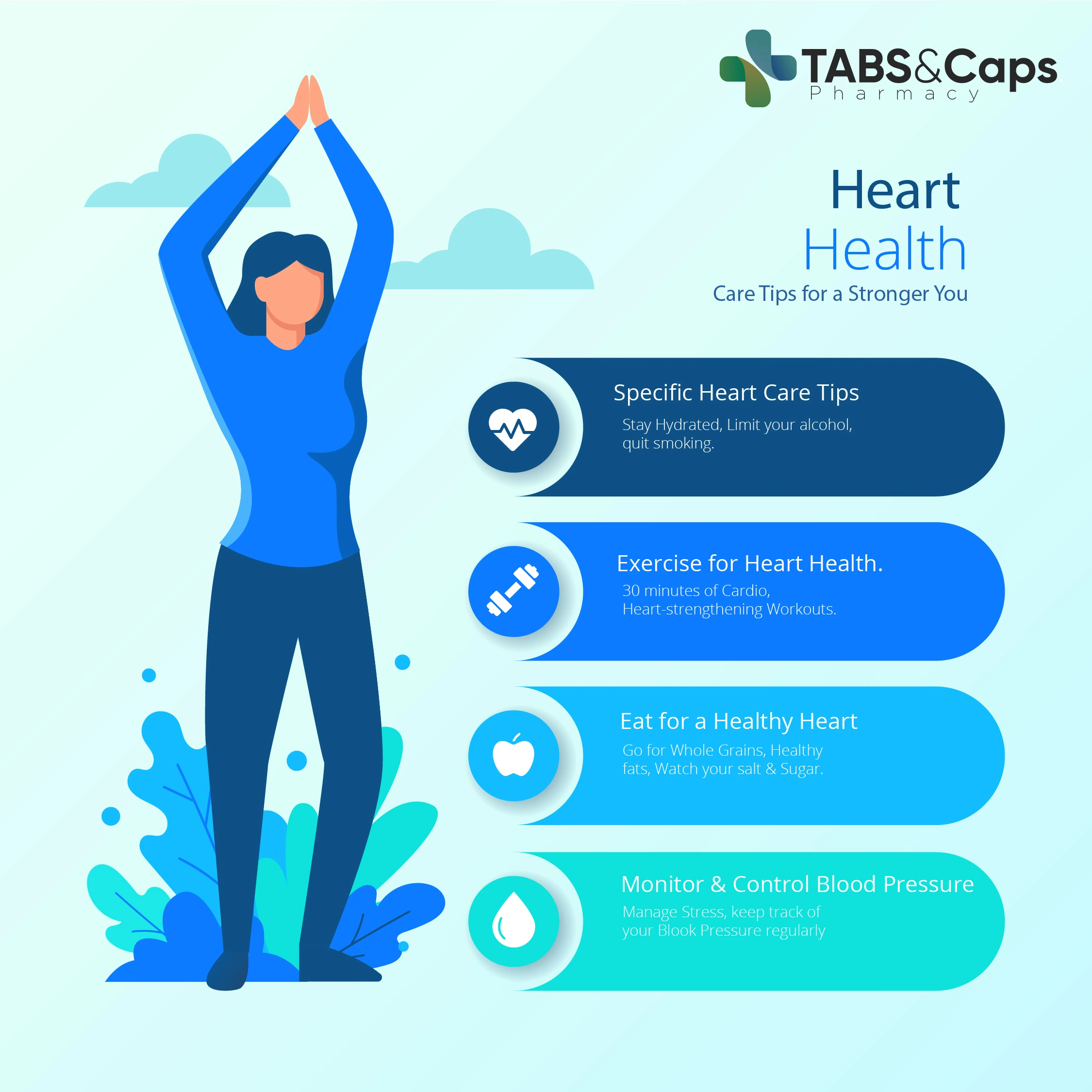
- Eat a Balanced Diet: Focus on fruits, veggies, whole grains, lean proteins, and healthy fats.
- Limit Unhealthy Fats and Cholesterol: Cut down on saturated fats, trans fats, and cholesterol.
- Reduce Sodium Intake: Aim for less than 2,300 mg of sodium per day to keep blood pressure in check.
- Control Portion Sizes: Avoid large portions to manage weight and reduce heart disease risk.
-
Exercise Regularly
- Aim for 150 Minutes a Week: Engage in moderate aerobic activity, like brisk walking, or 75 minutes of vigorous activity, like running.
- Include Strength Training: Do muscle-strengthening activities at least twice a week.
-
Maintain a Healthy Weight
- Watch Your BMI: Keep your Body Mass Index between 18.5 and 24.9.
- Monitor Waist Circumference: Aim for a waist circumference of less than 35 inches for women and 40 inches for men.
-
Quit Smoking
- Avoid Tobacco: Quitting smoking drastically improves heart health.
- Avoid Secondhand Smoke: Exposure to secondhand smoke also poses heart risks.
-
Manage Stress
- Practice Relaxation Techniques: Engage in yoga, meditation, or deep breathing exercises.
- Get Enough Sleep: Aim for 7-9 hours of quality sleep per night.
-
Monitor and Manage Health Conditions
- Control Blood Pressure: Use diet, exercise, and medications if necessary.
- Manage Cholesterol Levels: Regular checkups and lifestyle changes are key.
- Manage Diabetes: Maintain good blood sugar control to protect blood vessels and the heart.
-
Limit Alcohol Consumption
- Drink in Moderation: Limit alcohol to two drinks per day for men and one for women.
-
Regular Checkups
- Monitor Heart Health: Regular doctor visits can help detect early heart issues. Your doctor can recommend necessary tests, like cholesterol and blood pressure checks.
-
Take Medications as Prescribed
- Follow Doctor’s Orders: Adhere to prescribed medications to manage conditions and prevent heart disease.
-
Stay Informed
- Educate Yourself: Stay updated on the latest heart health guidelines. Knowledge empowers better health decisions.
In conclusion, making these strategies part of your lifestyle can significantly lower your risk of heart disease. As the Centers for Disease Control and Prevention highlights, a proactive approach to heart health can lead to a longer, healthier life.