How to Manage Diabetes Effectively
The body processes food differently when you have diabetes, affecting how it uses energy. A meal is converted into glucose (sugar) by the body after it is eaten. An insulin response is triggered in the pancreas, allowing glucose to enter cells. Diabetes, however, results in either a lack of insulin or an inefficient use of insulin by the body. A high level of blood sugar can lead to a variety of health complications.
An overview of diabetes types
Diabetes Type 1: This is an autoimmune condition in which the immune system attacks insulin-producing cells in the pancreas. Therefore, little or no insulin is produced by the body. Usually diagnosed in young adults, it requires daily insulin therapy.
This type of diabetes is caused by a body's inability to produce enough insulin or a resistance to insulin. Often, it is linked with lifestyle factors, like a poor diet and a lack of exercise, and is more prevalent in adults.
During pregnancy, hormone changes cause the body to be less responsive to insulin, causing gestational diabetes. Type 2 diabetes can develop after childbirth, although it usually resolves after childbirth.
The most common diabetes-related issues
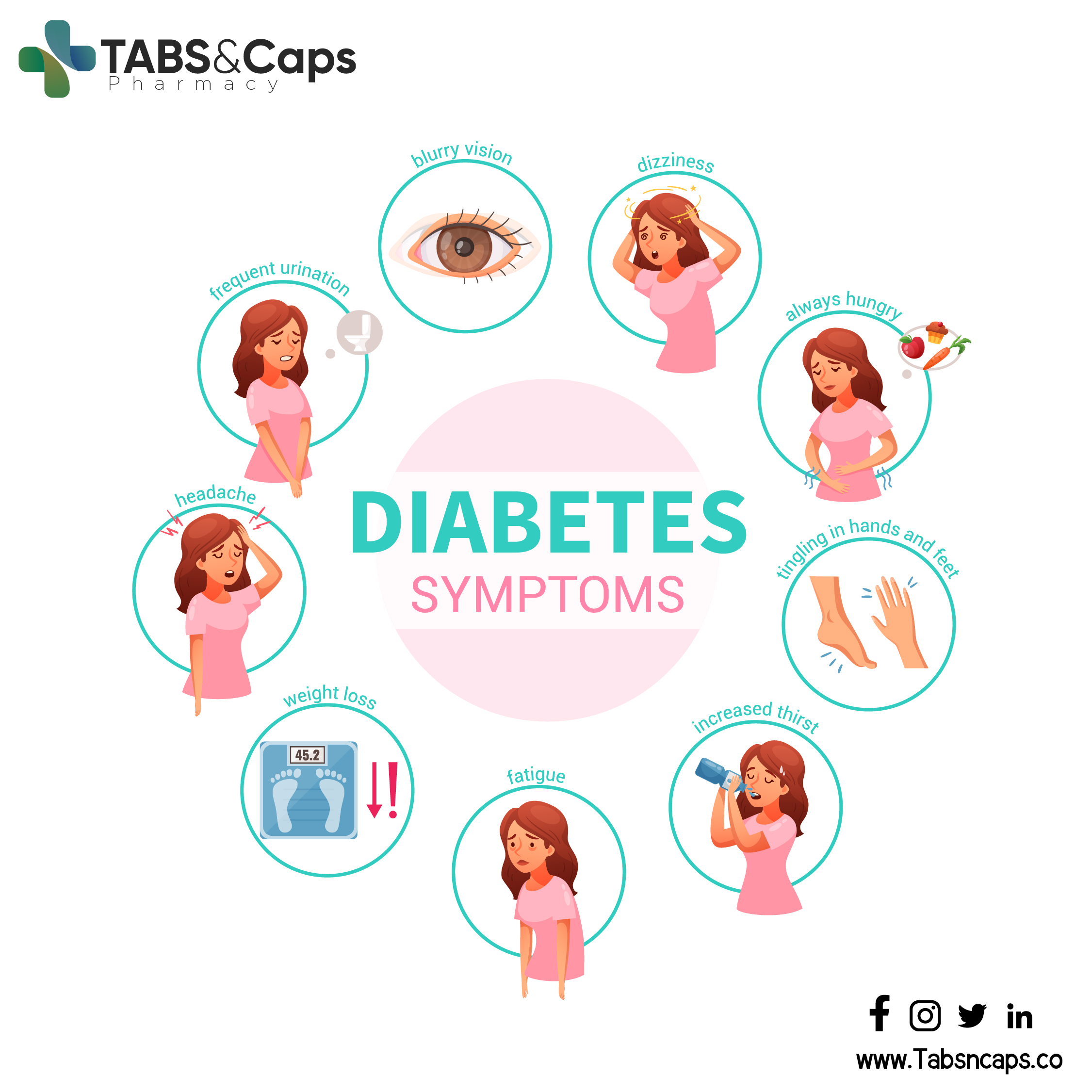
Hyperglycemia (High Blood Sugar): Diabetes is characterized by elevated blood sugar levels, which can lead to complications like heart disease, kidney damage, and nerve damage if untreated.
Diabetes can lead to poor circulation and nerve damage, especially in the feet. There can be infections, ulcers, or, in severe cases, amputations as a result of this.
Vision impairment or blindness can result from diabetic retinopathy, a condition caused by damage to small blood vessels in the eyes.
Diabetes can lead to dry skin and bacterial and fungal infections.
A prolonged high blood sugar level can damage the kidney over time, potentially causing kidney failure.
A high blood sugar level can cause nerve damage, especially in the hands and feet, resulting in numbness, pain, and tingling.
Strategies for Effective Diabetes Management
The risk of complications associated with diabetes can be reduced by effectively managing the disease. Blood sugar levels can be controlled and overall health can be improved using the following strategies:
Make sure you eat a balanced diet:
Simple sugars should be avoided in favor of complex carbohydrates such as whole grains, legumes, and vegetables.
To stabilize blood sugar, eat high-fiber foods like fruits, vegetables, and whole grains.
You can promote heart health by consuming healthy fats from nuts, seeds, and olive oil.
In order to keep blood sugar levels from skyrocketing after meals, limit portion sizes.
Maintain a regular physical activity schedule:
Low blood sugar levels can be achieved through exercise, which increases insulin sensitivity.
During the week, aim to exercise for at least 150 minutes (such as walking, cycling, or swimming).
In addition to improving muscle function and metabolism, strength training can also improve body composition.
Maintain a healthy blood sugar level by monitoring:
Regularly checking your blood sugar can help you understand how food, exercise, and medications affect your glucose levels.
Work with your healthcare provider to set target blood sugar ranges and adjust your treatment plan accordingly.
Follow your physician's instructions when taking medications:
If you require medication or insulin, follow your healthcare provider’s instructions to ensure optimal blood sugar control.
Many people with Type 2 diabetes may need medications in addition to lifestyle changes to manage their condition.
A Stress Management Plan:
A high level of stress can lead to an increase in blood sugar levels. Relaxation techniques such as deep breathing, mindfulness, and yoga can help you cope with stress.
To minimize stress, prioritize sleep and time management.
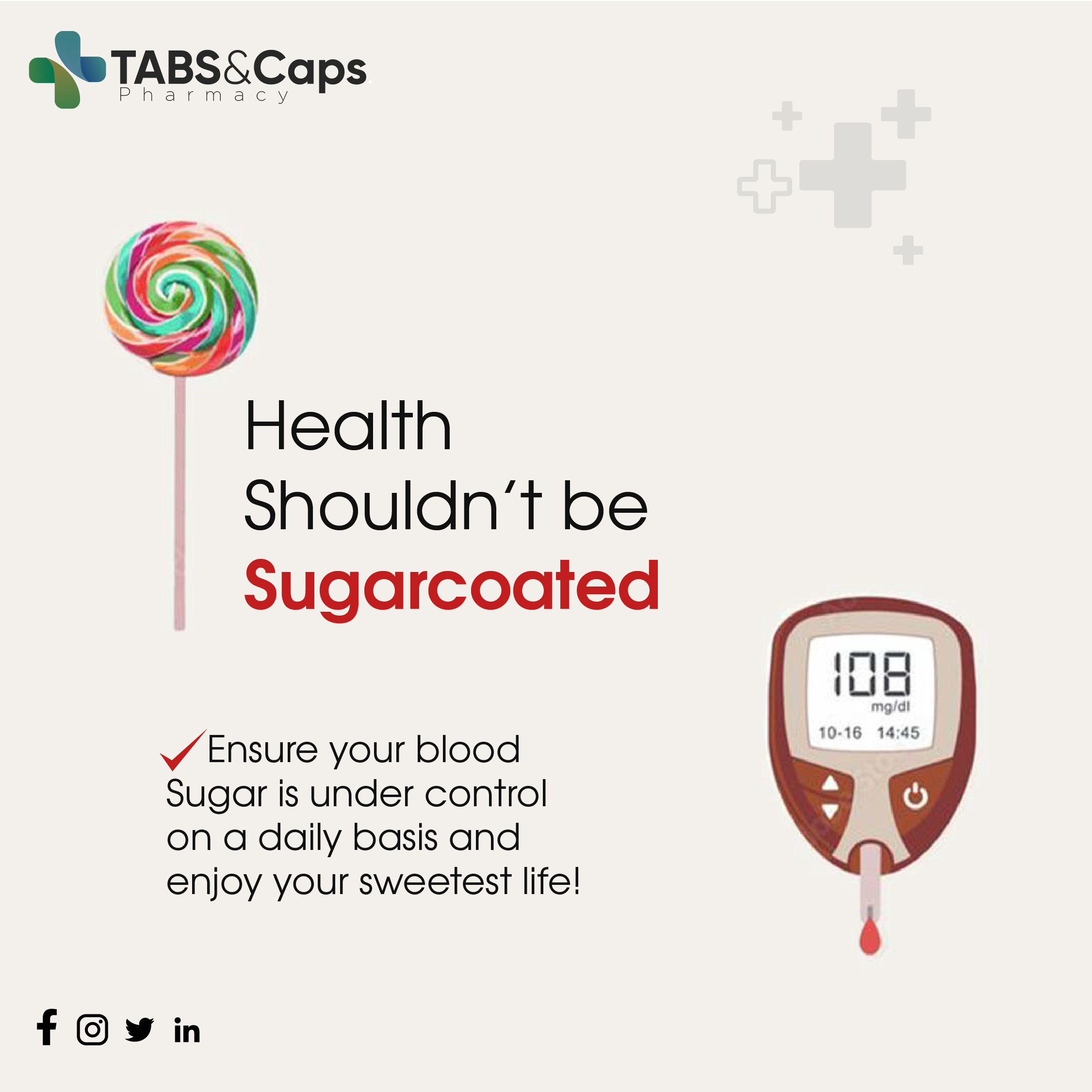
Health shouldn't be sugarcoated
Ensure your blood sugar is under control on a daily basis and enjoy your sweetest life!
Medicines related to this article
This article is for general information only and is not a substitute for medical advice. Please speak to your doctor before starting, stopping or changing any medicine.