
Millions of people worldwide suffer from diabetes. Glucose cannot be properly processed by the body, resulting in high blood sugar. It is essential for those with diabetes, and their loved ones, to understand its symptoms, types, and management strategies.
Types of Diabetes
- A type 1 diabetes is an autoimmune condition in which the body attacks the insulin-producing cells in the pancreas. Usually, it occurs during childhood or adolescence, but it can occur at any age. The blood sugar levels of people with Type 1 diabetes need to be controlled every day with insulin.
- Type 2 diabetes occurs when the body does not produce enough insulin or becomes resistant to insulin. Adults over 45 are more likely to develop this condition, but younger people, including children, are increasingly diagnosed with it. Obesity, poor diet, and lack of exercise significantly contribute to the development of Type 2 diabetes.
- Diabetes of this type usually disappears after delivery of the baby if it occurs during pregnancy. This, however, increases the risk of Type 2 diabetes for the mother.
Types of diabetes and their symptoms
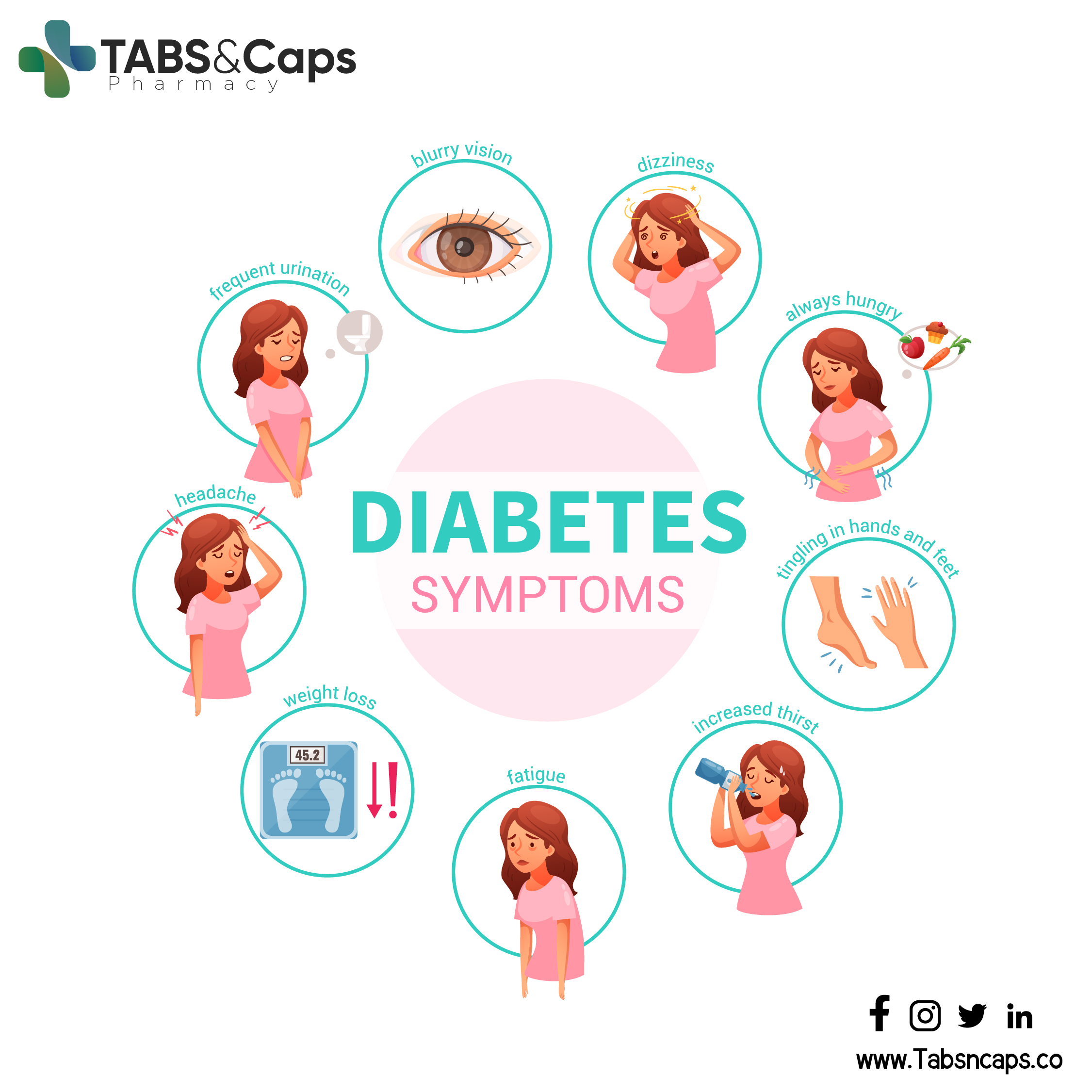
The following are common diabetes symptoms:
- Increased thirst and frequent urination
- Extreme hunger
- Unexplained weight loss
- Fatigue
- Blurred vision
- Slow-healing sores or frequent infections
You should see a healthcare provider if you experience any of these symptoms.
Managing Diabetes
The best way to manage diabetes is to change your lifestyle, take medication, and monitor your blood glucose regularly.
- An optimal diet should contain a wide variety of fruits, vegetables, whole grains, and lean proteins. Blood sugar levels can be controlled by limiting sugar and refined carbohydrates.
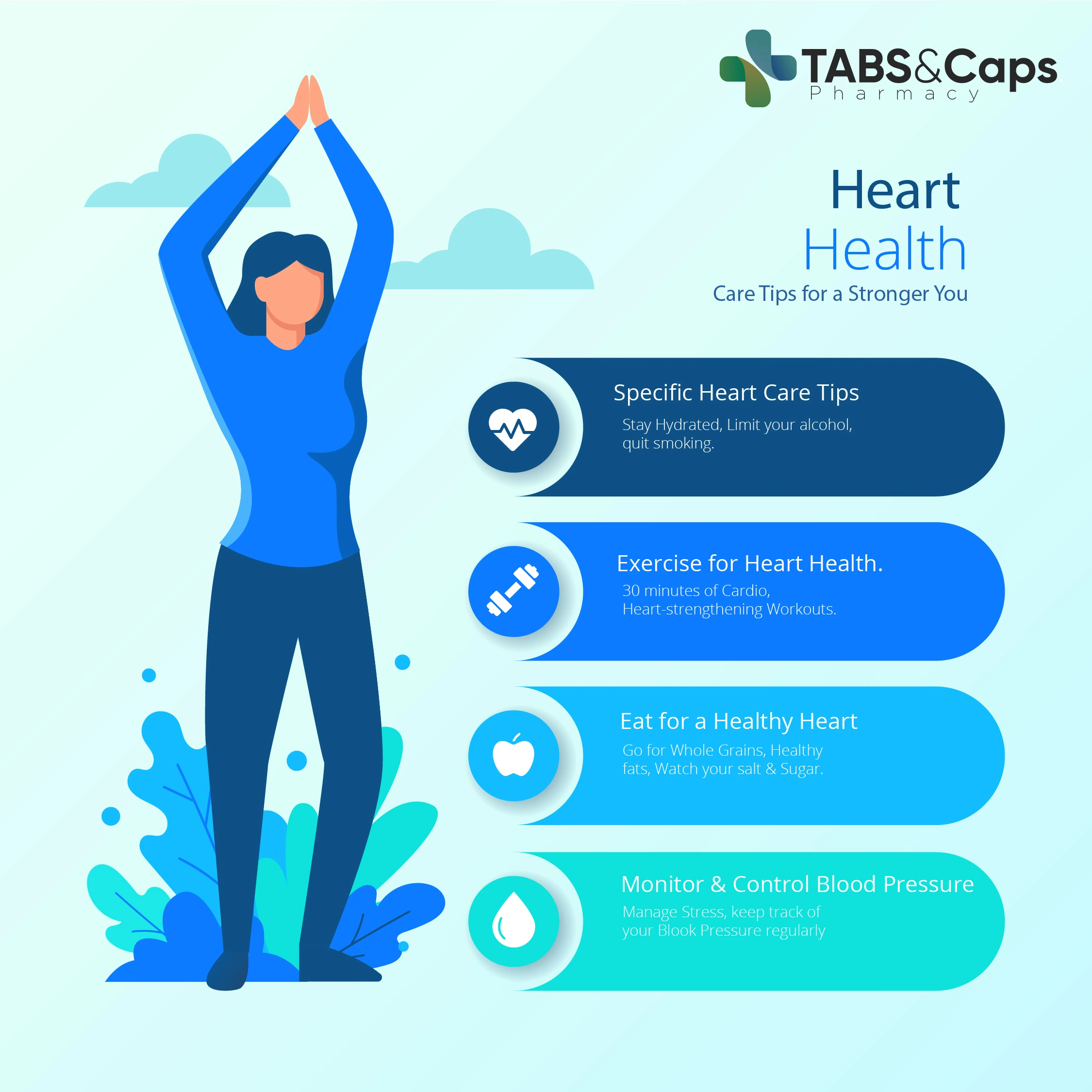
- The body uses insulin more efficiently when it is physically active. Moderate exercise should be done at least 30 minutes a day.
- In order to maintain blood sugar levels within the target range, oral medications or insulin injections may be required depending on the type and severity of diabetes.
- Blood Sugar Monitoring: Regular monitoring helps track diabetes management and can guide adjustments in diet, exercise, and medication.
- Taking part in a diabetes education program can provide valuable information and support. It can also be encouraging to connect with others who have diabetes.
Taking steps to prevent diabetes
Type 1 diabetes cannot be prevented, but lifestyle changes can significantly reduce the risk of Type 2 diabetes:
- Maintain a healthy weight
- Eat a balanced diet
- Exercise regularly
- Avoid smoking and limit alcohol consumption
A diabetic's life
With proper diabetes management, individuals can live healthy and fulfilling lives. In order to manage diabetes effectively, you must keep up with the latest diabetes research, maintain a support network, and schedule regular medical checkups.
For those living with diabetes, understanding this condition and taking proactive measures to manage and prevent it can have a significant impact on their quality of life. A healthy lifestyle and early detection are vital for managing diabetes well.