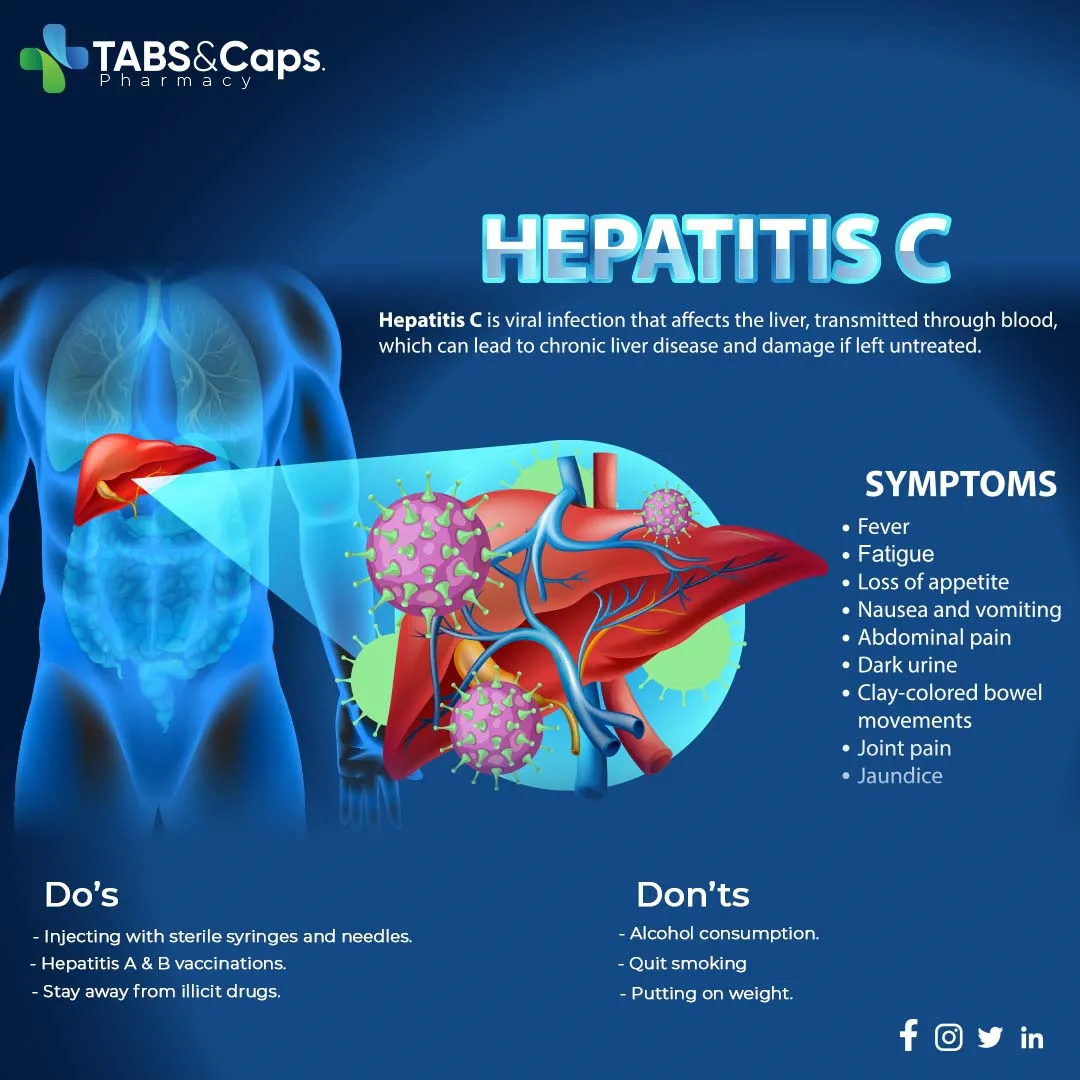
The hepatitis C virus is primarily responsible for this type of viral blood-borne disease or infection. Untreated hepatitis C can cause inflammation of the liver and other serious damage to the organs when left untreated, resulting in inflammation and swelling in the liver. Despite this, HCV infection can spread to other people by coming into contact with contaminated or infected blood. There is no doubt that HCV infection is a serious illness, but there are now effective treatments available, such as MyHep LVIR, that can treat this disease. It is also important to note that many of the individuals who are infected lead normal and healthy lives.
Hepatitis C is a virus infection that affects the liver and causes liver damage. It is caused by the Hepatitis C virus (HCV), which is primarily transmitted through contact with blood that has been infected, such as through sharing needles or other equipment that is used for injecting drugs. In addition to the possibility of transmission of the virus through blood transfusions and organ transplants performed before the blood supply was screened in 1992, it can also be transmitted from mother to child while in childbirth and through sexual contact.
The majority of people with Hepatitis C do not experience any symptoms and the virus can remain in the body for years without causing damage to the body. Over time, though, the virus can cause liver damage, cirrhosis, and even liver cancer if untreated. The symptoms of Hepatitis C may include fatigue, joint pain, abdominal pain, and yellowing of the skin.
Currently, Hepatitis C does not have a vaccine available, although antiviral medications are often able to help clear the virus from the body in most cases. In order to treat Hepatitis C, mainly direct-acting antiviral drugs (DAAs) are most commonly used, since these medications are highly effective, have fewer side effects than older treatments, and are highly effective in preventing the spread of the disease. As well as medications, lifestyle changes such as avoiding alcohol and illegal drugs, eating a healthy diet, and staying physically active can also help prevent the spread of Hepatitis C and protect the liver from further damage.
Hepatitis C is a viral infection that can cause liver damage and, in severe cases, liver failure. Here are some do's and don'ts for managing Hepatitis C:
Do's:
1. Get tested for Hepatitis C if you think you may have been exposed to the virus.
2. Follow your doctor's treatment plan for managing the virus.
3. Eat a healthy diet that is rich in fruits, vegetables, and whole grains.
4. Get vaccinated against other forms of hepatitis, such as Hepatitis A and B.
5. Use condoms during sexual activity to reduce the risk of transmitting the virus to your partner.
6. Practice good hygiene, including washing your hands regularly and avoiding sharing personal items like razors or toothbrushes.
Don'ts:
1. Do not drink alcohol, as it can increase the risk of liver damage and interfere with Hepatitis C treatment.
2. Do not use illicit drugs or share needles, as this can increase the risk of Hepatitis C transmission.
3. Do not have unprotected sex with multiple partners, as this can increase the risk of Hepatitis C transmission.
4. Do not take any over-the-counter medications or supplements without first consulting with your doctor.
5. Do not ignore symptoms of liver damage, such as jaundice, abdominal pain, and fatigue.
6. Do not delay treatment for Hepatitis C, as early intervention can improve outcomes and reduce the risk of liver damage.
Hepatitis C is caused by the Hepatitis C virus (HCV). The virus is primarily spread through contact with infected blood, typically by sharing needles or other equipment used to inject drugs. However, the virus can also be spread through:
1. Receiving a blood transfusion or organ transplant before widespread screening of the blood supply began in 1992.
2. Having unprotected sex with an infected partner, although this is a less common mode of transmission.
3. Being born to a mother who has Hepatitis C.
4. Accidental needle sticks in healthcare settings.
5. Sharing personal care items such as razors or toothbrushes that may have come into contact with infected blood.
6. Tattoo or piercing done in unsanitary conditions with unsterilized equipment.
It is important to note that Hepatitis C cannot be transmitted through casual contact, such as hugging, kissing, or sharing food and drinks. However, people with Hepatitis C should take precautions to prevent the spread of the virus to others, such as not sharing needles or other equipment and practicing safe sex.
The treatment of Hepatitis C depends on various factors such as the genotype of the virus, the severity of liver damage, and the presence of other medical conditions. The standard treatment for Hepatitis C is antiviral medications, which can clear the virus from the body in most cases. The most common medications used to treat Hepatitis C are direct-acting antiviral drugs (DAAs), which are highly effective and have fewer side effects than older treatments.
The treatment regimen for Hepatitis C typically lasts for 8 to 12 weeks, depending on the genotype of the virus. The success rate of treatment can be as high as 90% or more, depending on various factors.
In addition to medications, people with Hepatitis C should also make lifestyle changes to help manage the virus and protect their liver. This includes:
1. Avoiding alcohol and illegal drugs
2. Eating a healthy diet
3. Getting regular exercise
4. Getting vaccinated against other types of hepatitis
5. Avoiding exposure to toxic chemicals and medications that can damage the liver.
When treating Hepatitis C, it is essential to work closely with a healthcare provider as well as receive regular monitoring of liver function, as well as anything that may occur as a side effect of the treatment.
Medicines related to this article
This article is for general information only and is not a substitute for medical advice. Please speak to your doctor before starting, stopping or changing any medicine.