Frequently Asked Questions on HIV
1. What is HIV?
What is HIV?
HIV is a virus that attacks the body's immune system and causes it to malfunction. Viruses can have such a damaging effect on the immune system that it is unable to fight off other infections and diseases, which can lead to serious illness or even death depending on the severity of the injury.
How is HIV spread?
In the most common form of HIV transmission, unprotected sex with someone who has HIV (including anal sex and oral sex) can spread the virus to you. In addition, HIV can also be spread by sharing needles or other injecting equipment with someone who already has the disease.
Can HIV be prevented?
Yes. To reduce your chances of getting HIV, you can take a number of steps and do the following things:
The use of condoms during sexual contact is recommended
Injecting equipment, such as needles, should not be shared with others
Taking HIV prevention medication (PrEP, or pre-exposure prophylaxis) can prevent HIV infection.
The most effective way to reduce your risk of contracting HIV is to take emergency medication (post-exposure prophylaxis, or PEP) if you think you may have been exposed to it.
When it comes to HIV symptoms, what can you expect?
HIV can cause a variety of symptoms, and they may vary from one person to another. The symptoms of some diseases may not appear for many years in some people. It is quite possible for some people to begin feeling ill within a few weeks or months after becoming infected.
HIV can cause a number of early symptoms, including the following:
- fever
- fatigue
- headache
- sore throat
- rash
It is important to note that HIV can progress to AIDS if not treated. HIV infection can progress to AIDS when it reaches its most advanced stage. It is possible for people suffering from AIDS to have a wide range of symptoms, including:
- weight loss
- fever
- fatigue
- diarrhoea
- coughing
- shortness of breath
- memory loss
- depression
Can HIV be cured?
In spite of the fact that there is no cure for HIV, there are treatments that can enable people who have HIV to live a long and healthy life. Most people with HIV do not develop AIDS if they receive early diagnosis and treatment.
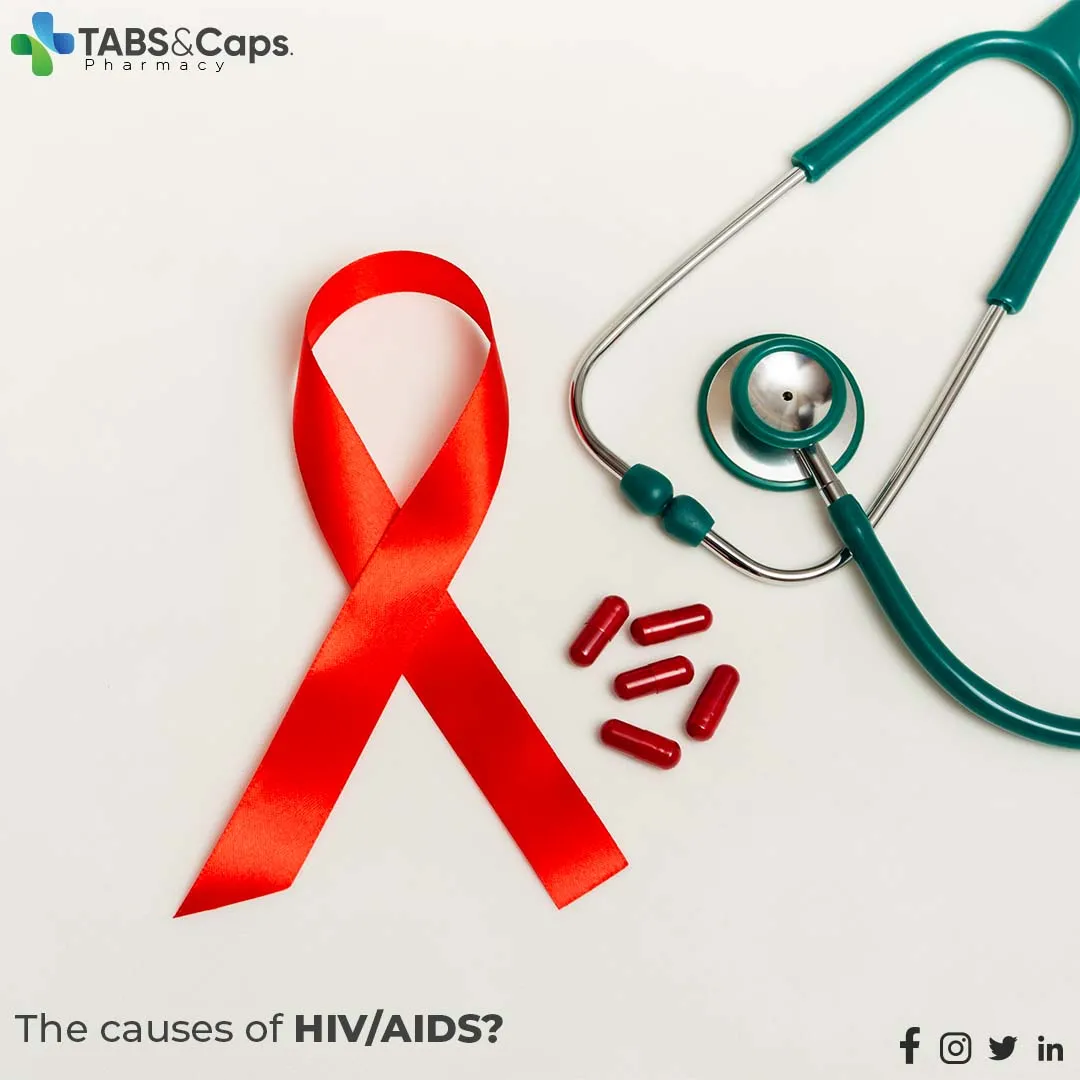
2. What are the causes of HIV/AIDS?
The human immunodeficiency virus (HIV) is the virus that causes HIV/AIDS, also known as AIDS. A person infected with HIV has an immune system that is compromised, making them susceptible to other infections and illnesses that may lead to AIDS, as well as other diseases.
It is important to note that HIV/AIDS can be caused by a variety of factors. There are, however, a few risk factors which can increase an individual's likelihood of contracting the virus, so it is important to be aware of them. Some of these include the following:
- In most cases, HIV is transmitted via unprotected sex, which is the most common method of transmission of the virus. Sexual contact between two people can cause HIV to spread from one person to another when it is present in the semen, vaginal fluid, or blood.
- sharing needles: HIV can be transmitted through contact with infected blood. This can occur when sharing needles or other injecting drug paraphernalia.
- Blood transfusions: Blood transfusions are regulated less stringently in some parts of the world compared to developed countries, as part of the global fight against disease and illness. This means that if you receive a blood transfusion from a country that does not have as stringent regulations as the United States, you have a greater chance of contracting HIV.
- Mother-to-child transmission: If a pregnant woman with HIV is infected during pregnancy, delivery, or breast-feeding, then she may pass the virus onto her child.
3. If someone coughs or sneezes on me, can I become infected with HIV?
It is believed by the majority of people that you can only contract HIV by having unprotected sex with someone who is infected or sharing needles with someone who is infected. It should be noted, however, that the virus can also be transmitted in other ways. There are a number of ways in which the virus can be spread, one of which is by direct contact with bodily fluids, like blood, sperm, or vaginal fluid, from someone who is infected.
HIV can also be transmitted through contact with infected blood, such as through needlestick injuries or contact with a wound that is open, which is one of the ways in which it can be transmitted.
It is also possible to transmit HIV through contact with other bodily fluids, such as saliva, mucus, or sweat, from an infected person through contact with the fluids in their body. It is important to note, however, that this method of transmission is much less common than some of the others.
It is important to get tested as soon as possible if you believe that you might have been exposed to HIV and you are concerned that you may have been infected. Testing for HIV is one of the easiest and quickest things you can do, and there are many ways to do it.
4. Is it possible to cure HIV/AIDS?
There is no doubt that HIV/AIDS is a serious, life-threatening disease. If HIV/AIDS patients get treatment, they have a good chance of living a long and healthy life.
While HIV/AIDS can't be cured, there are several treatments that may be able to slow down the progression of the disease and improve the quality of life for people living with HIV/AIDS.
HIV/AIDS can be prevented by avoiding contact with bodily fluids that may contain the virus, including blood, semen, and vaginal fluids that may contain the virus.
The people who are living with HIV/AIDS can also take steps to prevent other people from becoming infected by the virus, such as using condoms while having sex and not sharing needles or other injecting equipment with others.
5. What is the best place to get tested for HIV/AIDS?
If you suspect that you may have been exposed to HIV, it is important that you get tested as soon as possible. A HIV test can be taken in a number of ways, and it is of the utmost importance that you choose a method that is right for you when taking the test.
HIV tests can be divided into three main types based on the type of test they are:
1. Blood tests
2. Oral fluid tests
3. Home tests
The most accurate HIV test is the blood test, which is the most commonly used method. Three to four weeks after an individual has been exposed to HIV, they may be able to detect it.
Although oral fluid tests are less accurate than blood tests, there is no need for needles to be used in doing them. It is possible to detect HIV as early as two to three weeks after you have been exposed to it.
As far as HIV tests are concerned, home tests are among the least accurate. HIV can be detected within two to three weeks of exposure, but to do so, you will have to collect your own samples of blood or oral fluid for testing.
You can talk to a doctor or a counselor at an HIV testing facility if you don't know which type of test is most appropriate for you.
There are many places to get an HIV test, including:
1. Doctor’s offices
2. Hospitals
3. Health clinics
4. Community health centers
5. HIV testing sites
You can also get an HIV test from some pharmacies, Planned Parenthood centers, and college health centers.
There are many free and low-cost HIV tests that can be obtained. Additionally, there are several community organizations in which you can get free or low-cost HIV tests, including:
1. AIDS service organizations
2. Churches
3. Housing programs
4. Health departments
You can use the insurance that you have if you have health insurance to pay for a HIV test if you have it. In some cases, your insurance company may be able to arrange for you to get a HIV test for free or at a relatively low cost.
In the event that you do not have health insurance, the Ryan White HIV/AIDS Program may be able to provide you with an HIV test. There is a Ryan White HIV/AIDS Program that provides HIV testing and information
6. How can HIV/AIDS be prevented by implementing some preventive measures?
This is a difficult question to answer as there are so many ways to prevent HIV infection that there is no one simple answer to this question. Using a combination of different methods is the best way to prevent a person from contracting HIV, and these methods include:
-Abstaining from sexual activity
-Using condoms during sexual activity
-Limiting the number of sexual partners
-Avoiding sharing needles or other injection equipment
-Getting tested for HIV regularly
-Getting treated for other sexually transmitted infections (STIs)
-Educating yourself and others about HIV prevention
As you know, there are many ways to prevent HIV infection, and the best way to prevent HIV infection is using a combination of different methods in order to prevent HIV infection.
7. How can HIV/AIDS be controlled if there is a medication available?
It is important to understand that there is no one-size-fits-all answer to this question, as the best course of treatment for HIV/AIDS will differ based on the individual's unique circumstances and a variety of factors. It is important to note, however, that there are a number of medications that can be used to help control the virus and to manage the symptoms of the disease if they are taken in the right way.
It is common practice to prescribe antiretroviral drugs for the treatment of HIV/AIDS, which can help to slow down the progression of the HIV virus, as well as prophylactic drugs, which can help to prevent the development of opportunistic infections that can be caused by HIV. Moreover, there are a number of treatments available for the management of the symptoms of HIV/AIDS, such as fatigue, weight loss, and depression, among others.
If you want to determine what the best course of treatment is for your condition, it is essential to work closely with a medical team, as there are a number of factors that must be considered before making a decision. As part of these considerations, you will need to take into account the stage of the disease, the health of the individual as a whole, and any other medical issues that may exist. In many cases, people living with HIV/AIDS are able to lead a long and healthy life as long as they receive the right treatment.