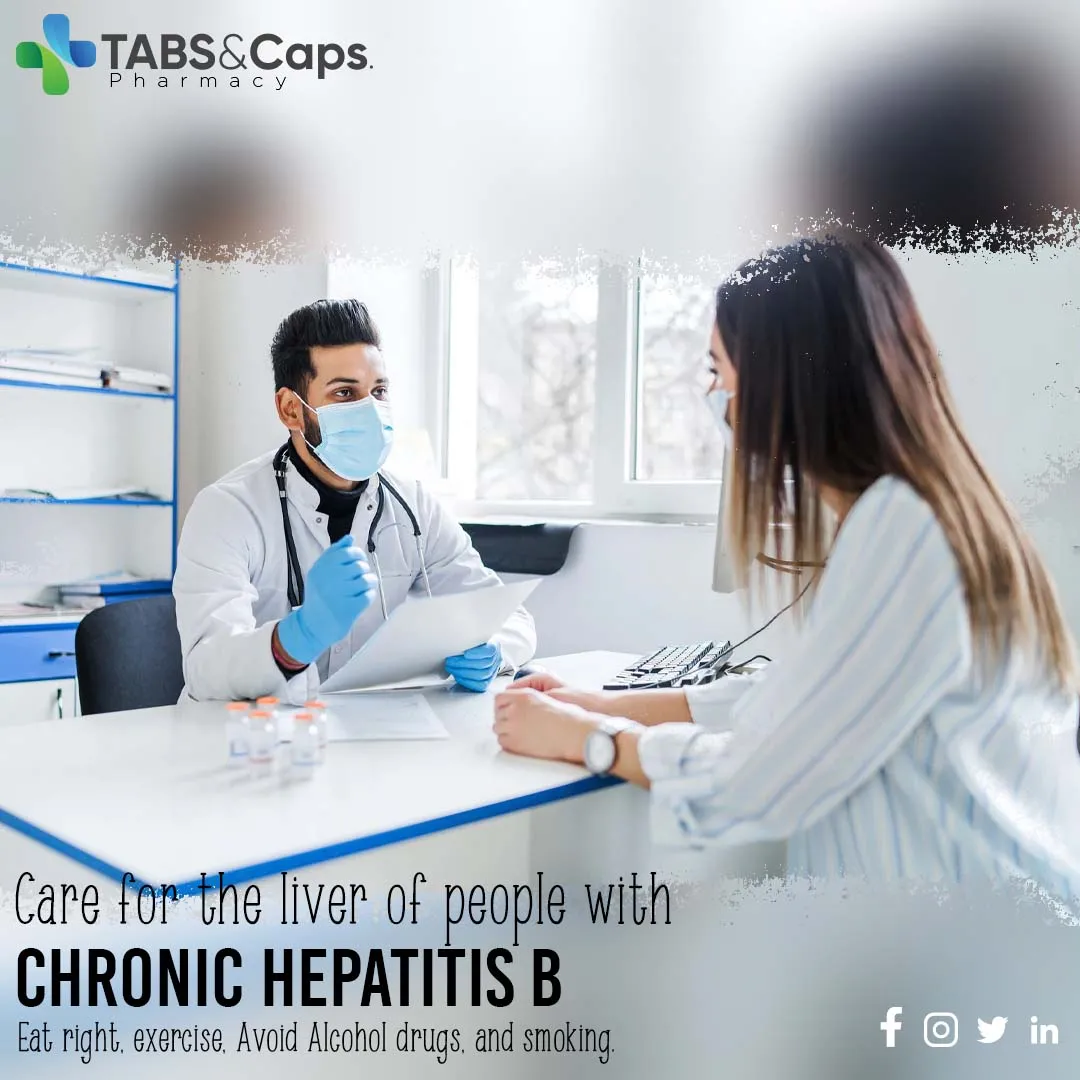
Care for the liver of people with chronic hepatitis B?
1 Chronic Hepatitis B
Chronic hepatitis B is caused by infection with hepatitis B virus. The virus can be spread through contact with blood or other body fluids of an infected person. It can also be passed from mother to child during childbirth.
Most people who are infected with the virus will not have any symptoms. For those who do, the symptoms can include fatigue, fever, loss of appetite, nausea, vomiting, abdominal pain, dark urine, clay-colored stools, joint pain, and jaundice (yellowing of the skin and eyes).
Chronic hepatitis B can lead to serious health problems, including liver damage, cirrhosis, liver cancer, and death. There is no cure for chronic hepatitis B, but there are treatments that can help to manage the virus and slow the progression of the disease.
People with chronic hepatitis B should see their healthcare provider regularly for monitoring and care. They should also get vaccinated against hepatitis A and hepatitis B to help protect their liver.
Maintain a healthy diet
• It is important that you eat healthy. To help your liver function properly, you should eat a healthy diet.
• Fast food, sugary drinks, and fatty foods should be avoided.
• Ensure that you consume enough green vegetables, whole grains (like brown rice or whole wheat bread), fruits (especially citrus fruits), nuts, and seeds throughout the day.
• The best way to stay hydrated throughout the day is to drink lots of water along with other fluids like coffee and tea without sugar added.
A physical activity
In order to take care of your liver, you should exercise regularly. In addition to improving blood flow, it can also enhance the function of the organ by providing nutrients and oxygen that aid in its function. Additionally, exercise is also known to reduce stress and enhance your mood, which helps to prevent depression and anxiety disorders.
A doctor must be consulted if you have chronic hepatitis B in order to decide how much exercise is right for you based on your condition. The benefits of some types of exercise may outweigh those of others; for example:
If you walk briskly for 30 minutes at least three times a week, you can help with weight loss and promote better health overall, especially if you combine it with other healthy habits like eating well and exercising regularly in order to achieve maximum results.
It is believed that swimming laps daily can help people with high blood pressure and diabetes improve their cholesterol levels due to the fact that swimming improves heart function by increasing blood flow throughout the body, resulting in an increase in cardiac output (the amount of blood pumped out by each ventricle).
2. It can cause chronic inflammation and health problems
Chronic hepatitis B is a serious health problem that can lead to chronic inflammation of the liver and other health problems. People with chronic hepatitis B need to be aware of the potential for liver damage and take steps to protect their liver. There are several things that people with chronic hepatitis B can do to care for their liver:
1. Get regular checkups. People with chronic hepatitis B should see their doctor or other healthcare provider on a regular basis. This will help to monitor the health of the liver and to catch any problems early.
2. Take medications as prescribed. People with chronic hepatitis B may need to take medications to help control the virus. These medications can help to reduce the amount of virus in the body and to reduce the risk of liver damage.
3. Avoid alcohol. Alcohol can increase the risk of liver damage in people with chronic hepatitis B. It is important to avoid alcohol or to drink only in moderation if you have chronic hepatitis B.
4. Eat a healthy diet. Eating a healthy diet can help to reduce the risk of liver damage. Foods that are good for the liver include fruits, vegetables, whole grains, and lean protein.
5. Exercise regularly. Exercise can help to reduce the risk of liver damage. It is important to get regular exercise and to avoid activities that are hard on the liver, such as contact sports.
Medicines related to this article
Cancer & oncology medicinesTargeted therapies and chemotherapy such as osimertinib, palbociclib and abiraterone.
Diabetes medicinesMetformin, gliptins, SGLT2 inhibitors and insulin with cold chain shipping.
Cardiovascular & heart medicinesStatins, blood thinners, heart failure and blood pressure medicines.
This article is for general information only and is not a substitute for medical advice. Please speak to your doctor before starting, stopping or changing any medicine.