Arrhythmia: When Your Heart Skips a Beat
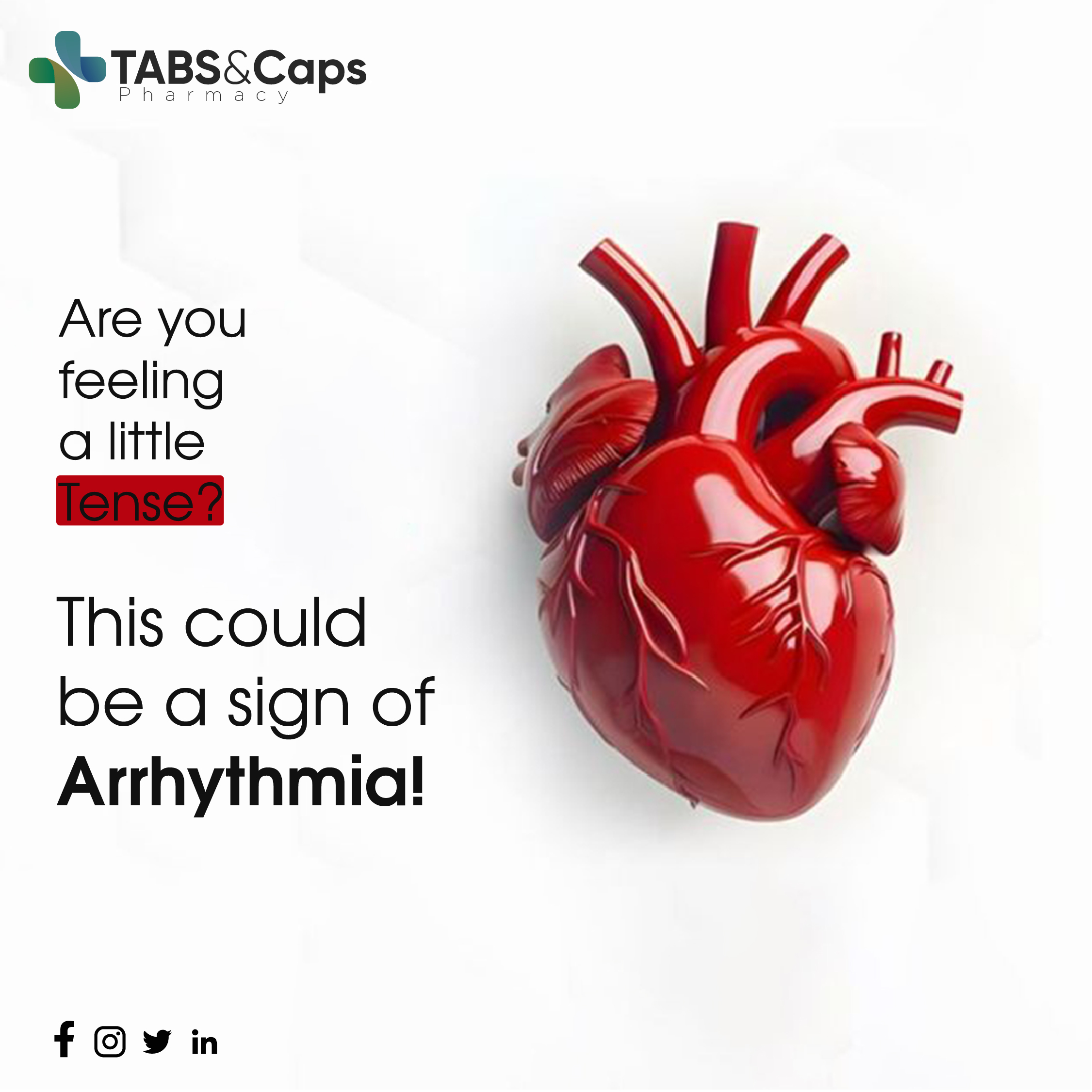
Have you ever felt like your heart skipped a beat? That sudden fluttering or racing sensation can be alarming. In some cases, it might just be a harmless reaction to stress, anxiety, or excitement. However, if it happens frequently, it could be a sign of arrhythmia—an irregular heartbeat.
Arrhythmia occurs when the electrical impulses regulating your heart's rhythm don't work correctly. Consequently, heartbeats can become irregular, too fast, or too slow. Arrhythmias can be harmless or serious, potentially causing complications such as strokes and heart failure.
Common symptoms of arrhythmia include:
- Chest flutters or racing
- Dizziness or lightheadedness
- Breathing difficulty
- Pain or discomfort in the chest
- Feeling fatigued or weak
Types of arrhythmia include:
- Tachycardia: A fast heart rate (more than 100 beats per minute).
- Bradycardia: An abnormally slow heart rate (less than 60 beats per minute).
- Atrial fibrillation: An arrhythmia in which the upper chambers of the heart beat irregularly.
- Premature ventricular contractions: An occasional extra heartbeat, often described as feeling like a skipped beat.
It's important to consult a healthcare professional if you experience frequent episodes of irregular heartbeats, especially if accompanied by dizziness or chest pain. Early detection and treatment can prevent serious complications.
Arrhythmia management varies based on the type and severity and may include:
- Medications to control the heart's rhythm or rate
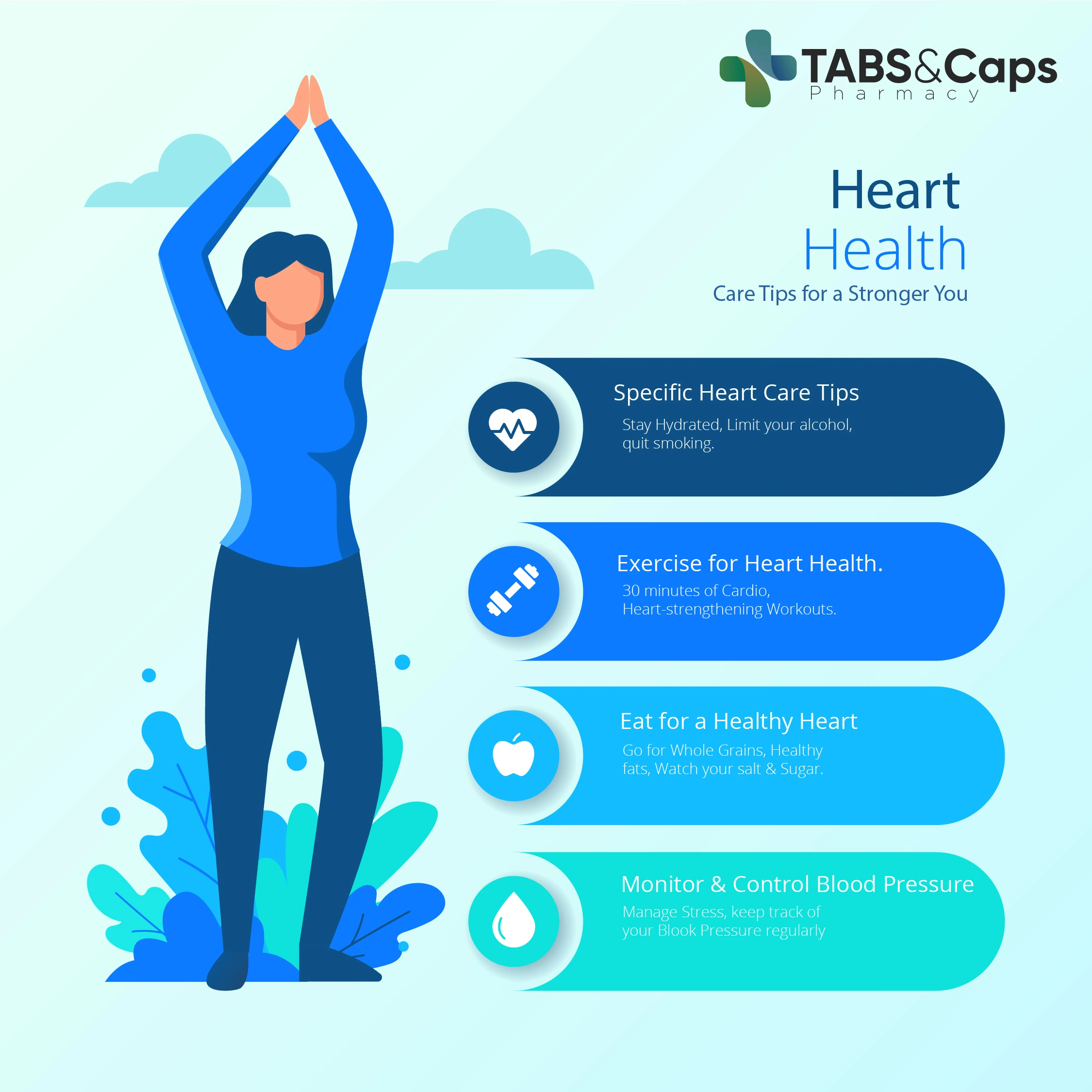
- Lifestyle changes, such as reducing stress and quitting smoking
- Procedures like catheter ablation and pacemakers to correct abnormal rhythms
You shouldn't ignore your heart if it skips a beat more than once in a while; it might be your body’s way of telling you something is out of sync.